In the spring, changing pots, breeding, and fleshy growing up in spring is the season for all things to grow. For those who love fleshy, this is a season where you can buy more meat, more flesh, and more flesh. Although the spring climate is suitable for fleshy growth, it is also a good time to change pots and breed. However, succulent planting in spring will also encounter some problems, avoiding the following problems and making succulents grow better in spring.
1. Why Is My Succulent Sunburned In The Spring?
Many fleshy people who spend winter indoors, long-term exposure is the weaker sunshine, and the sunshine time is relatively short. Suddenly accepting unobstructed glare is very easy to sunburn. This is because fleshy cannot adapt to the sudden change of the environment, so in the winter when the sun is insufficient, we can use the LED grow lights to help the plants provide some light, and when the outdoor cultivation begins in the spring, we should pay attention to gradually increase the sunshine duration.《Is The LED Grow Lights Really Useful?》
《Why We Need LED Grow Lights?》
2. When Can Succulents Move From Indoors To Outdoors?
The succulent plants need to be moved into most areas of the winter for indoors, and the minimum temperature will rise above 0 °C until around the beginning of March. The temperature varies slightly from place to place. It can be judged according to the weather forecast. When the minimum temperature is stable above 5 °C, it can be moved to outdoor maintenance.
3. There Are Too Many Fleshy Roots. How Do You Get on The Basin?
First, clean up too much root system and put it in a cool, ventilated place to dry the wound. Put about half of the soil in the pot, then spread the dried fleshy roots evenly, and then continue to add the soil.
4. What Should I Do If I Can't Remove The Flesh When I Change The Basin?
When changing the succulent plants, sometimes the roots and soils are too tight, and the succulents cannot be removed smoothly. At this time, it is forbidden to remove the succulent plants with brute force, otherwise, it is easy to damage the root system. If it is a plastic flower pot, you can squeeze the pot wall hard, separate the soil from the flower pot, and then pour out the succulent plants. If it is a pottery basin, a metal basin, a glass basin, etc., it can be tapped with a rubber hammer. After the pot is loose, remove the succulent plants. You can also loosen the potting soil with a small tool and then remove the flesh.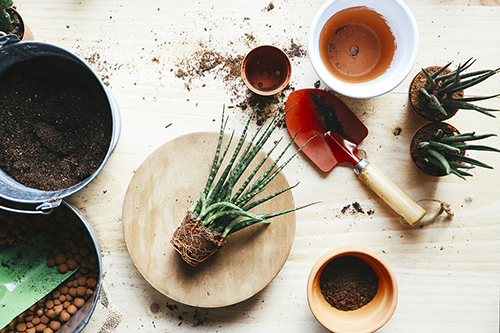 5. How Do The Succulent Plants That Are “Cut Down”Take Root?
The cut meat will be dried in turn, and most of the succulents will dry for two or three days. Prepare slightly moist sand and place the "head" on the sand. Waiting for the roots of the flesh only need to keep the soil moist, you can not water.
6. To What Extent Should The Roots Be Repaired?
Rooting is a necessary step in the past. The practice has proved that the meat after the roots is better than the uncooked meat. But to what extent the refinement has to be repaired, many people are not very clear. In general, roots with fewer roots do not need to be rooted, and the black roots, dry roots, and most of the roots are preserved, leaving only the main roots. The roots of the fleshy old piles need to be taken care of to cut off the severely rooted roots.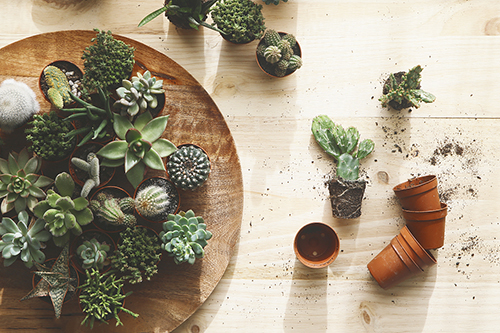 8. Want To Insert The Leaves, How To Lick The Leaves?
The leaves of rainbow jade, peach beauty, peach egg, etc. are relatively thick, and the varieties with few leaf growth points and stalk joints are relatively easy to lick the leaves and can be removed by gently twisting left and right. For ruby, blue stone lotus, hibiscus snow lotus, etc., or the blade itself is too brittle, or the leaf growth point is more connected with the stem, or the leaves are denser, it is best to change the basin, beheaded or occur when the length is longer. The blade is so as to ensure the integrity of the blade growth point. If the leaves of normal plants are picked, they should be picked when the pots are dry. If the leaves are dense, you can use the tweezers to gently clamp the leaves (as close as possible to the base), and see the left and right movements, feel the degree of separation of the growth points and stems, and slowly apply force. The intensity is very important. Through long-term practice, you will slowly find you.
9. What Should I Do If The Leaf Growth Stage Is Slow?
One reason for the slow growth of leaf seedlings may be that there is a problem with the root system. It can be replanted once, allowing the roots to re-emerge and grab the soil. It may also be a problem with the soil. The roots of the seedlings are fine and soft, and it is not easy to take root in the harder soil. Therefore, the cultivation of seedlings should be based on the peat soil charcoal, which is loose and retains water. In addition, the seedlings have few roots, and the water absorption capacity is not as strong as that of the plants, so it is necessary to spray frequently. Don't be afraid of water, the new root of the seedlings is very fond of water, as long as the basin does not contain water.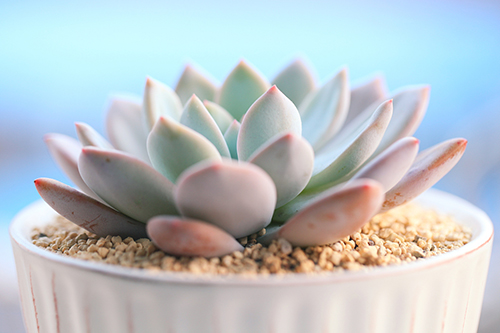 10. After The Leaves Are Inserted Into The Buds, The Dried Mother Leaves Are Picked Or Not Picked?
The mother leaves may be dried for various reasons shortly after the leaves are inserted, and the mother leaves can be removed at this time. If it is mother leaf water or mold, it should be removed immediately to avoid transmission to seedlings. If the mother leaves are slightly wrinkled during the curing process, they should be watered immediately. Long-term water shortage can easily lead to dryness of the mother leaves. The well-preserved leaves are inserted into the seedlings, and the mother leaves will always be healthy. When the seedlings grow long enough, the mother leaves can be removed and the leaves inserted again.
11. What Should I Do If The Leaf Inserts Only Grow Long?
The time when the leaves are inserted into the roots is not consistent. Some will first sprout out and then sprout. Usually, don't worry about this situation. If you sunbathe the sun properly and spray the water to keep the soil moist for a few days or 1 week, small shoots will grow. If there are no small buds growing out after several months, try to cut off the original roots and let the leaves re-root.《How TO Grow The Succulents?》Do you have more experience with the growth of succulents? Feel free to share your experience in growing succulents in the comments~
A few days ago, many reports announced that two French vegetable growers have installed 1000W LED plant lighting in their greenhouses to help grow cucumbers throughout the year.
According to the news, both growers installed LED plant lights in their new cucumber greenhouse (located in the Nantes region of France). The two are the first growers in France to use LED lamps to grow steel cucumbers, demonstrating their leadership as a member of the grower cooperative. Experts point out that LED lighting can help increase crop yields, and because LEDs don't generate too much heat as the light increases, LED lighting also allows growers to control light and temperature more precisely. These features ensure the high-quality production of the crop throughout the year as efficiently as possible.
In fact, LED lamps to provide better heat and light balance. Compared to high-pressure sodium lamps, LED lamps can greatly increase production without generating heat. According to calculations, the 20,000-square-meter semi-enclosed greenhouse is illuminated by LED lights, and the output will be 30% higher than the output of traditional greenhouses without LED lights.《Four Major Trend of LED Lighting In 2019》
《New Trends In Plant Lighting,Corporate Development Attracts Attention》LED lighting will help companies improve energy efficiency and reduce production gaps, especially in the winter when revenues are greater. This plays a key role in maintaining the company's position in the market throughout the year. At the same time, it has alleviated a problem of shortage of vegetables on the market. Undoubtedly, LED plant lights are constantly changing our lives.
In the field of plant lighting, as one of the fastest growing agricultural lighting fields in recent years, LED has obvious advantages in plant lighting because of its high luminous efficiency, low heat generation, small size, and long life. Plant lighting and other LED lighting With the maturity of the technology, companies have moved from the general lighting market to the field of plant lighting, and plant lighting has broad prospects.
So, what problems exist in LED plant lighting in the process of development? What is the current proportion of LEDs in plant lighting? What is the future trend of LED plant lighting compared with other light sources in plant lighting?
1. How To Treat The Current Development of The Entire LED Grow Lighting Industry?
The future development prospects of the plant lighting industry are very optimistic. From the current sales volume of plant products, whether it is the starting leaf or the health food, or even the medicine that will become the future trend, whether at home or abroad, these products The price of the plant is getting higher and higher, and the future of plant lighting must have a bright future.
The premise is that your product must be distinctive. For example, marijuana, with a high added value of products, and products with characteristics, the next step to determine whether the industry is successful is to see who can successfully implement the commercial marketing model. The life cycle of plant products is very short, but many people will not sell them, and the products will not be sold. In fact, products need different routes. From fresh vegetables to processed products, from semi-finished products to finished products, when products become diversified, the channels of sales become diversified. Sales naturally go up. 2. At Present, LED Accounts For The Total Market Share Of Plant Lighting Fixtures?
At present, the plant lighting lamps used in greenhouses are mainly high-pressure sodium lamps. The LED lamps are practically few. In recent years, the application growth rate in the cannabis field has accelerated. Some plant factories also use LEDs, but in general, LEDs currently account for a small percentage.
3. What Are The Advantages of Vegetables Grown With Plant Lighting Compared To Ordinary Vegetables?
The first biggest feature is that the vegetables grown in the plant factory are very safe. Only in a controlled environment, it is illuminated with LED lights. By artificially controlling its environment and nutrient solution, it is beyond the green vegetables, and There is no need to use any pesticides or herbicides in the plant, and our nutrient solution avoids the contamination of heavy metals in traditional soils.
The second feature is that because of the artificially created shortcut environment, the air is filtered, the water is purified, and the dust and bacteria content is very low.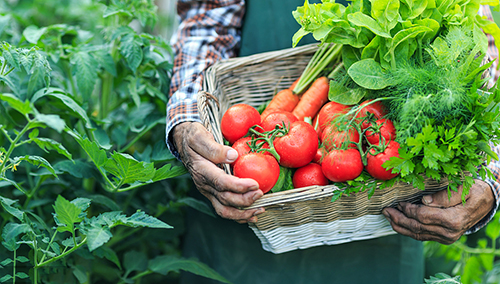 The third characteristic is that the products of the plant factory are very fresh. Compared with the losses caused by long-distance transportation of other traditional agricultural plants, the plant factory is placed around the big city. It can be completed within 12 hours from the receipt of the table, and the effect of planting vegetables at the door of the house. it's the same.
In addition, compared with traditional agriculture, plant lighting factories can be customized. Traditional agriculture is limited by the fact that climate and temperature change all year round. Although greenhouse greenhouses can now eat anti-season products, plant factories have no concept of season. The products are the same throughout the year and are highly efficient.《The Fill Light Method And Development Direction of Plant Factory》
《LED Plant Factory-A New Direction For The Development Of Smart Agriculture》
《The Analysis of Vertical Farm Development Prospect》
4. Are There Any Defects In The Vegetables Grown At The Plant Factory? Will Artificial Planting Change The Structure Of The Dish, oOr Is There An Unknown Problem Such As Genetic Modification?
Artificial light is basically the same as sunlight, and there is no difference in the growth of plants. The only difference is that if the plant is reddish, you will use the exact spectrum, it will produce lettuce with the normal coloration of red leaves, but you said that the lack of anthocyanins in vegetables will be different, but fewer nutrients. The dishes that may be planted by the hydroponic system will be tenderer, some people like it, and some people say it is unnatural. Plant factories use data to speak. We adjust the light to produce a beneficial component. The ratio of blue light to red light in the sun is fixed, but the lighting can make more of the ingredients we need, but it does not change the vegetables. Genes, this is the ability of the plant itself, we have not changed the genes of plants.
Nutritional ingredients are the end use of vegetables. Some nutritional values are higher. Some nutrients are not what we need. When we need a certain component of plants, we can regulate them through physical conditions. This is the benefit of plant factories. The growth of beneficial components of the human body, or by changing the growth environment of the vegetables to adjust different tastes.
5. How Do You Think About The Development Of Cannabis Cultivation?
Cannabis itself is a double-edged sword, and its medication value is beyond doubt. There are different laws in different states of the United States, depending on how the local government views it. Many states in the United States have legalized the cannabis market, and mature lamps are now in use. Moreover, they are now looking for a more efficient LED luminaire solution than the high-pressure sodium lamp. If your LED luminaire solution has no obvious advantage over the high-pressure sodium lamp currently used, there will be some obstacles in the promotion.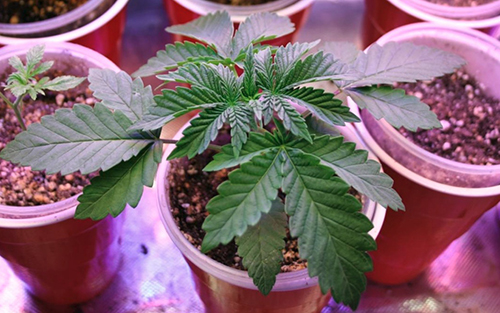 6. What Are The Advantages And Disadvantages Of LED And Traditional Light Source Metal Halide Lamps (HID) In Plant Lighting?
High-pressure sodium lamps have been used in agricultural production for a long time, and LEDs have just begun to be used. However, as general lighting, LED market share is getting higher and higher, and many traditional lamps have been replaced by LEDs. This is an inevitable trend of technological development. However, the spectral output of metal halide lamps is relatively fixed, it is difficult to control the change of spectrum, so it is suitable for the growth of certain plants. At present, metal halide lamps are widely used in tomato planting, but if it is a plant factory, LED is better than it. Much more, its spectrum is more suitable. However, the current LED QE value is compared with metal halide lamps, LED has no obvious advantage.
7. What Is the Difference Between Hydroponic Vegetables And Plant Factories? Will There Be Insect Growth In Vegetable Plants?
Whether it is a greenhouse or an indoor artificial light factory, it will grow insects. The key is how to control, the greenhouse is a semi-manual control environment, if the state of the switch door is not well managed, there will be insects coming in, usually, there is a lot of space and insects come in. Plant factory management and greenhouse management are not a strict condition. We enter the plant factory and protect human hair. In addition, the air and water of the plant factory are purified or filtered. If strictly in accordance with the management model of the plant factory, The probability of long worms is very low, so pesticide plants are not allowed in plant factories. In greenhouses, we can only try to reduce the proportion of pollution, hydroponic cultivation through the nutrient solution is one of the methods.
On the basis of different light quality, how to ensure its luminous flux density? Also, how to make sure it is in the same light intensity. For example, red and blue light sources are combined into the same power, and the blue-chip is not the same as the red chip voltage chip. Different numbers seem to represent different light intensities, that is, PPF is different because of the luminous flux and plant chlorophyll. A and B have a relationship.
Even with the same PPF, the concept of light effect per watt is different. The influence of different spectra on plant growth is definitely different. Now many of the lamps sold in the market are measured by PPF per watt. I think this is Not comprehensive, because he does not contain the spectrum. Effective PPF is very important for plant growth spectroscopy.
We all know that in the design of the luminaire, it is very difficult to achieve complete uniformity of the spotlight of anyone lamp. It can only be realized by optical design at the stage of luminaire production, and the light is made more uniform as much as possible. Some linear lamps of power are doing very well. If you want to fill the light in the greenhouse, you need a more precise optical design.
8. When Conducting Plant Lighting Studies, Does The Light Test Performed Under The Same PPFD And The Different PPFDs Result In Different Final Test Results?
The same situation as PPFD compares the spectrum. If the PPFD is high or low, the spectrum is different, and the research results are basically not convincing. However, this depends on the direction of the research. If it is PPFD, the spectrum is different. This is the study of the spectrum. Some studies are different for PPFD, but the energy consumption is the same. The same lamps are used normally, such as each 20-watt lamp. Five lights are lit, and the adjustment of the height is compared to the difference in cultivation strength, which should be considered together.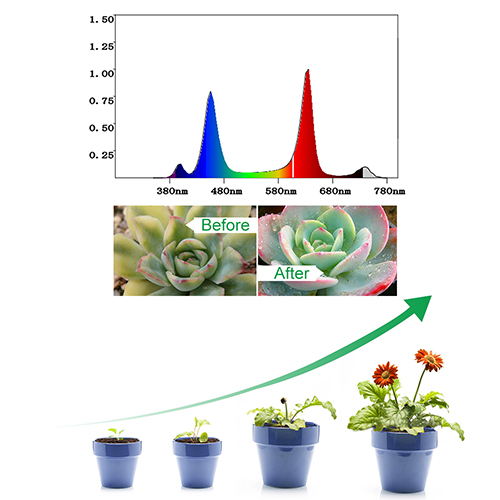 To learn more about LED plant lights, browse the following articles:《Is The LED Grow Lights Really Useful?》
《The UV LED Technolog,Are You Using It In Right Ways?》
《Problems Should Be Avoided When Using The LED Grow Lights》
Planting the vegetables at home and eating fresh and healthy vegetables has become more and more a desire of urbanites. A “green oxygen bar” at home can not only increase vitality for the family but also relieve work stress.
However, most of the friends don't know how to grow them. It is often difficult to find a place where vegetables can be grown in the high-rise environment of the city. The home planting cabinet perfectly solves the above problems.
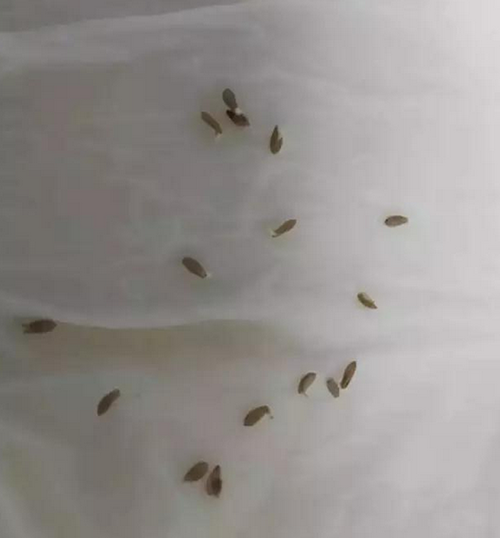
This article will show you and introduce the test situation of home planting, and provide a reference for everyone.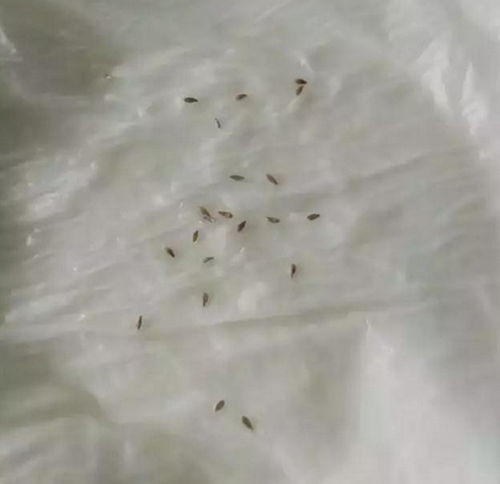 On December 23, put the vegetable seeds you want to plant on a napkin, dump the water, keep it moist, pay attention to not too much water, and put the napkins together. It is well known that seed germination is respiration. After having a certain amount of water, we have to put the seeds in a dark place.《How To Effectively Improve Seed Germination Rate?》
 On December 25th, the seeds sprouted white "buds", which is actually the root. Move the seeds into the Rockwool and pay attention to the white "buds" down. The rock face is placed in the planting basket, the sink is filled with water, and 5 packs of nutrient powder are placed. The nutrient powder can be dissolved in a disposable cup and then poured into the sink. The seed at this time needs photosynthesis, so it requires a certain amount of light. With LED growing lights, so turn on the lights directly, take about eight hours a day, remember to turn off at night.
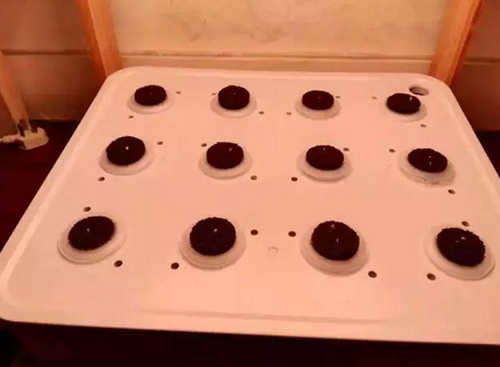 On December 27th, it seems that there is no movement in the quiet growth.
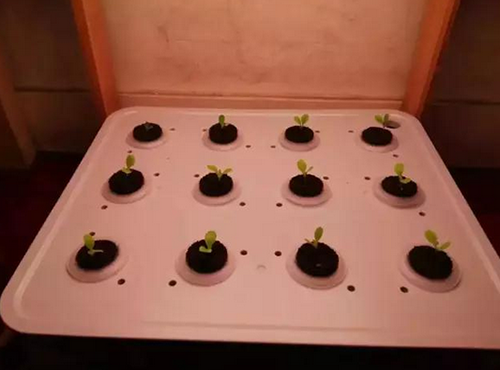 On December 29th, the small leaf buds grew out.
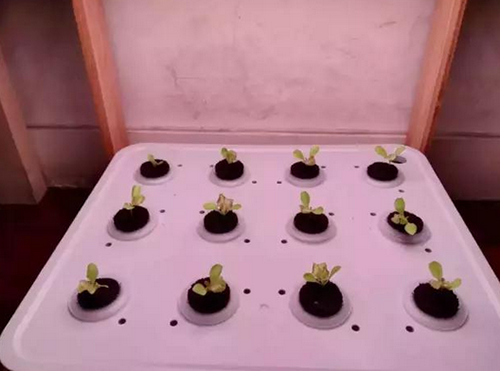 On January 1st, the leaf bud grew a little longer.
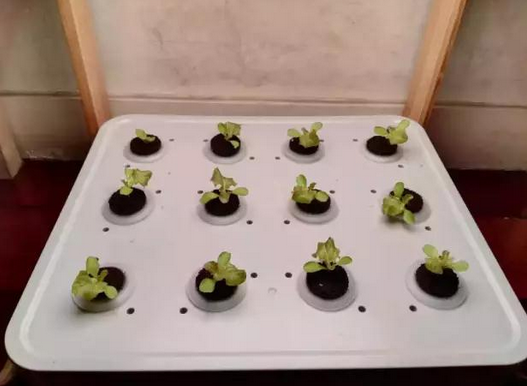 On January 3, some of them were planted, and the small one was removed, leaving a big one. It seems to grow a little taller and grow a third leaf.
On January 5th, the leaves were a little bigger.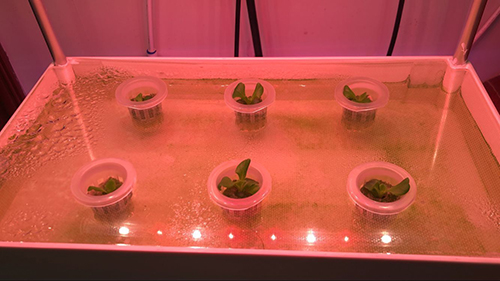 On January 7th, in order to grow better, some vegetables were transplanted into larger planters.
On January 9, a pack of nutritional powder was added.
On January 11, the local temperature dropped, and the vegetables grew a little slow. Fortunately, there were plant lights that extended the exposure time of the LED grow lights, about 12 hours a day.《How To Grow The Plants With LED Grow Lights?》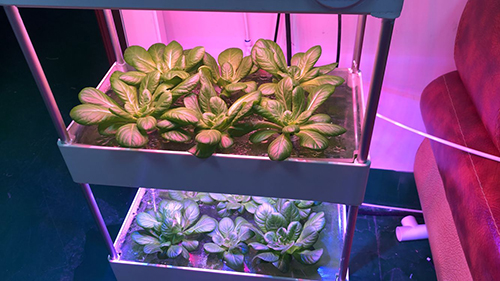 On January 15th.
The vegetables grow very well and can't help but use one to make a salad, for the families dinner.
Summary: With the aid of tools, it is very easy to grow your favorite vegetables at home. At the same time, vegetables need sufficient light and nutrients during the planting process, so don't forget to turn on the LED plant lights and add the nutrient solution to the vegetables.
When we choose LED plant lights, in addition to the power, quality, and price, we will also pay attention to whether the products are in stock and can be shipped directly from the local warehouse. So when we choose LED grow lights on the website, is it better to ship from a local factory or from a local country?
Shipped From Local Factory
Advantages:
1. Generally, the factory shipments are made on site, and then sent to the customer the first time after the aging test. There is no need to accumulate in the warehouse, no need to worry about moisture, rust, damage to the circuit by the mouse, etc., the quality of the product is guaranteed.《Why The LED Grow Lights Need To Aging Test?》2. For customers of a custom type, the factory can adjust the material of the plant lamp according to the needs of the customer, the ratio of the lamp bead, etc., so that the light is better absorbed by the plant.
Disadvantages:
1. It takes longer to wait. From material preparation to product transportation to customers, it usually takes 7-15 waiting time. For customers who urgently need products, if the local factory delivers non-protest factors, including weather, peak season, need to the warehouse, customs clearance, etc. Affecting the timeliness of shipping, it may take longer than expected to receive the goods, resulting in a customer's unsatisfactory shopping experience.
2. Inconvenient return: If the product received by the customer is damaged due to violent transportation or other reasons, if you want to return the goods, the cost of returning the courier is more expensive, and the time is long. If the communication is not timely, the customer will have a bad impression. Influence subsequent cooperation. Shipped From The Local Country
Advantages:
1. The delivery time is fast, generally only takes 3-5 days to be delivered, which is very suitable for customers who need urgently needed plant lighting.
2. The customer experience is better, no need to wait, if there is a return problem, it can be solved in the first time.
3. The logistics cost is lower, the shipping cost of the products arriving at the warehouses by sea is lower, which reduces the cost and helps the customers to buy affordable products.
Disadvantages:
1. Affected by the geographical location of the warehouse, the overseas warehouse has a limited range of products to choose from, which are generally applicable to small-sized and small-weight products such as plant par light.
2. Need to pay a certain storage fee
3. The product is easy to backlog, if the time is too long, it will affect the quality of the product.
Whether it is shipped from the factory or shipped from a local country, we should choose according to our actual needs. Xinjia not only has more than 100 workmates in the factory but also has overseas warehousesin the US, UK, RU, DE AU, etc., so customers do not need to worry about the above problems. Our overseas warehouses are our best-selling products, so we don't have to worry about product backlogs. At the same time, the factory delivers goods to meet the needs of different customers. If you have any questions, you can contact us:enquiry@ledgs.com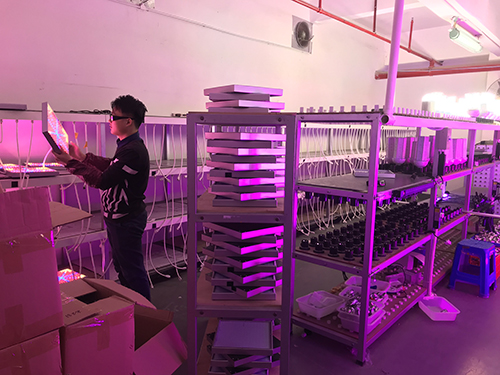
When we talk about mental health and happiness, poor lighting is often overlooked, and more often we focus on creating a happier, healthier workplace. However, poor lighting can have a number of negative effects on physical and mental health, such as eye fatigue, headaches, and anxiety. We spend most of our time in artificial lighting environments, and there is evidence that lack of natural light can adversely affect the body and mind and can lead to diseases such as seasonal affective disorder (SAD).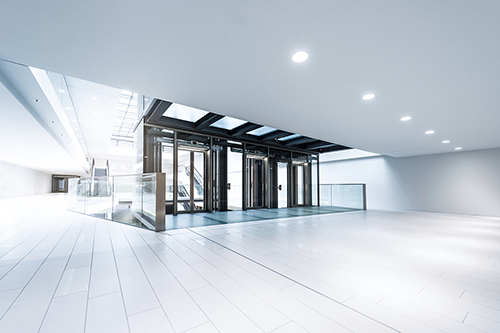 When we spend the darkest days of the year, 40% of office workers struggle to work under the bad lights every day. According to a recent study on the impact of workplace lighting, this has a negative impact on their productivity and well-being. A recent study reported that an online survey of 7,000 office workers was conducted in October 2018. The study sample was from office workers in 10 European countries, including: UK (2000 people, 302 in London), Germany (1000), France (500), Netherlands (500), Sweden (500), Norway (500 people), Spain (500 people), Italy (500 people), Portugal (500 people) and Finland (500 people).
80% of office workers say that good lighting is important to them in the workplace;
40% of people face uncomfortable lighting every day;
32% said that better lighting makes them happier at work.
However, when winter access to natural light is limited, many people feel stressed and even have the seasonal affective disorder (SAD), and often stay at their desks for long periods of time, which is sometimes the only daylighting opportunity in their day. The survey also showed that 25% of respondents were frustrated by the lack of light in the workplace.
In fact, usually, only 13-15 minutes of natural light is enough to trigger the release of endorphins or "happy hormones." Many scholars have concluded through long-term research that SAD affects 5% to 10% of the population, which accounts for a large proportion of clinical depression patients in a quarter of each year.
Another study concluded that there is a close relationship between workplace lighting and sleep, activity, and quality of life of office workers.
There is no clear standard in the UK for lighting levels in the workplace. However, there are also regulations that indicate that the lighting at the site should be “appropriate and adequate” and that natural light should be used in the workplace. The emphasis on natural daylighting and other related research reflects a consensus that daylight is the best form of lighting.
However, in parts of the northern hemisphere, daylight itself does not provide sufficient illumination for the entire work area. This means that “appropriate and sufficient” lighting often requires a combination of natural and artificial lighting, in particular, the need to provide individualized artificial lighting according to activities, functions and personal needs, as well as artificial lighting that mimics natural light.
Personalized lighting options help create a more inclusive work environment. One such method is to adjust the light intensity and illumination during the day based on the natural daylight level outdoors and the individual needs of the user. In this way, employees feel that they are more able to control their work environment, which has also been proven to improve their happiness and productivity in the workplace.
There is now ample evidence that lighting that mimics natural light can greatly improve the health and well-being of people in the workplace, such as providing more natural light through large windows to provide proper illumination, as well as providing biodynamics and Personalized lighting for task adjustment is achieved.
For areas where natural light is not available, choosing a suitable light is especially important. From this point of view, Xinjia designed LED lights of different power sizes. Customers can choose according to their own needs, not only can add enough light, but also save energy and save money. It is the best choice for your office and home.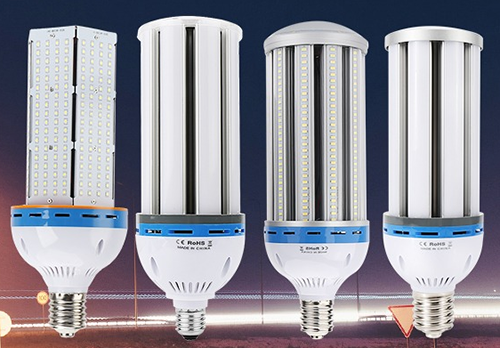 You may be interested in the following articles:《How To Choose A High Quality LED Corn Lights》
《Xinjia Teaches You How To Choose The Home Lighting!》
《What The Effects of Different Light Sources On Human Health?》
With the explosion of indoor and urban agriculture, LED energy conservation is not only attractive, but the advancement of UV LEDs makes the additional benefits of UV, especially UV-A and UV-B possible. Indoor agriculture. Ultraviolet light has been shown to promote an increase in plant production of active substances in medicinal plants, including the antioxidant benefits of many plants or the tetrahydrocannabinol content in cannabis. Ultraviolet light can also help maintain a healthy growing environment by reducing mold, mold and certain plant pests – all of which require alternative chemicals because of their enhanced germicidal capacity.
Although many of the LED grow lights used in indoor agriculture produce UV spectra to a certain extent, their external lens materials block most of them, and the actual amount of ultraviolet light reaching the plants is very small. As UV LED prices continue to fall, the target UV can be cost-effectively integrated into normal growth processes, and the correct wavelength, the correct dose, and the correct time in the life cycle of a particular plant species will improve.
Ultraviolet (UV) light is a key part of the electromagnetic spectrum, with wavelengths ranging from 10 nm to 400 nm. This part of the spectrum is outside the visible range of the human eye, although insects and birds can perceive certain parts of the ultraviolet light. Most of the UV spectrum, including all extreme ultraviolet (10 nm-100 nm) and most of the spectra below 280 nm, is absorbed by the atmosphere. However, we artificially have the ability to generate these wavelengths, so it is still important to understand the benefits of each part of the UV spectrum.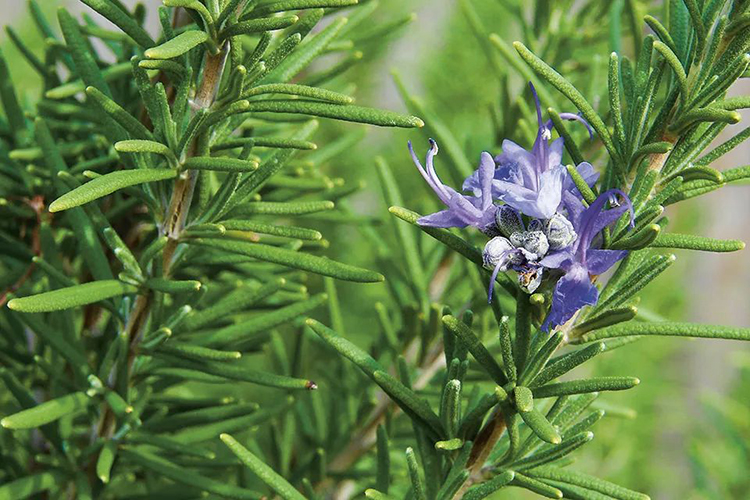 Ultraviolet Spectrum Classification
UV-C (200-280 nm): almost completely absorbed by the Earth's atmosphere, often used for its bactericidal effect.
UV-B (280-320 nm): About 95% UV-B is absorbed by the Earth's atmosphere and is often known for its associated risk of skin cancer. However, it has also been shown to have antibacterial effects, including treatment of agriculture. Infections and pests such as powdery mildew or spider aphids; and plant reactions that trigger the addition of flavonoids and cannabinoids.
UV-A (320-400 nm): commonly referred to as "black light", UV-A light has the longest wavelength in the ultraviolet spectrum and is considered to be the least hazardous, while it is capable of triggering the desired plant response. Applied to agriculture.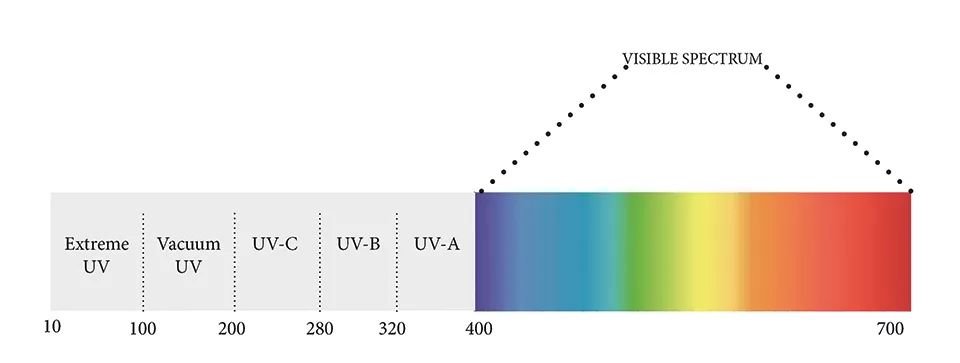 Since the late 1990s, LEDs that transmit UV light in the upper range of the UV-A (390-420 nm) range have been available, typically for counterfeit testing or verification of driver's licenses or documents, and forensics. In fact, a large portion of the UV LED market is primarily for industrial and commercial applications for curing, such as inks, coatings or adhesives, typically accomplished by UV-A light having a wavelength of 350-390 nm.
When you enter the shorter wavelengths of UV-B and UV-C, the application turns to disinfect food, air, water, and surfaces. These are some of the latest wavelengths available in LEDs. LED energy savings are not only attractive to many industries, such as water purification, but their extremely small size makes them a very flexible option, including the ability to create portable disinfection systems.
In light of these advances, the UV LED market has expanded fivefold in the past decade and is expected to grow to $1.3 billion by 2025. A key trend expected to impact the market is to be able to further expand into new applications including solar products, the food and beverage industry and agriculture, such as LED plant lights. However, further improvements are still needed, particularly as it relates to lens assemblies for these products to ensure that the technology can achieve the desired results for each industry in a cost-effective manner.
With the explosion of indoor and urban agriculture, there is a growing desire to continue to improve the growth process in a cost-effective manner, which will still bring positive results to the target plants. Many existing studies on the use of LEDs in agriculture have focused on the wavelengths of visible light and the spectrum required by plants for various processes. In fact, many studies have been conducted to determine the relationship between different wavelengths and their effects. About plant growth. This information will help to further develop custom spectral lighting to deliver better results for plant plants at lower energy costs. For example, it has been determined that the red spectrum (630-660 nm) is essential for stem growth and leaf expansion, and is also an important wavelength for regulating flowering and dormancy.
The most advanced LED full-spectrum plant lights now offer more viable options for indoor planting, which can save a lot of costs, especially compared to traditional lighting options such as HPS.《LED Grow Lights VS High-Pressure Sodium Lamps,Which One Is The Most Efficient?》
《Is The LED Grow Lights Really Useful?》Ultraviolet light has also been shown to promote increased plant production of active substances in medicinal plants, including the antioxidant benefits of many plants or the tetrahydrocannabinol content in cannabis. Plants have chemical processes that enable them to recognize different wavelengths of light that trigger certain reactions, including ultraviolet reactions that can alter plant shape and alter the chemical composition.
One of the most common methods of plant response to ultraviolet light is the synthesis and accumulation of UV absorbing compounds. These compounds, including phenolic substances, act like a sunscreen to plants and prevent damage from excessive exposure to UV light. However, the benefits of phenolic compounds not only help protect plants but have also proven to have significant human health benefits, including antioxidant benefits and prevention of a variety of chronic diseases, including certain cancers and cardiovascular diseases.
Another plant known for its increased yield of pharmaceutical compounds under UV radiation is Cannabis sativa. Studies have found that higher levels of cannabinoids are found in plants at the lowest latitudes and high altitudes of the equator. Subsequent studies have shown that exposure of plants to UV-B results in an increase of Δ9-THC in leaf tissue by up to 48% and an increase in flower tissue by 32%.
The main threat faced by indoor growers is powdery mildew. However, UV has been shown to significantly reduce the mold of plants such as grapes, rose plants, cucumbers, rosemary, and strawberries. The researchers successfully reduced the severity of powdery mildew by 90-99% using an appropriate dose of UV-B.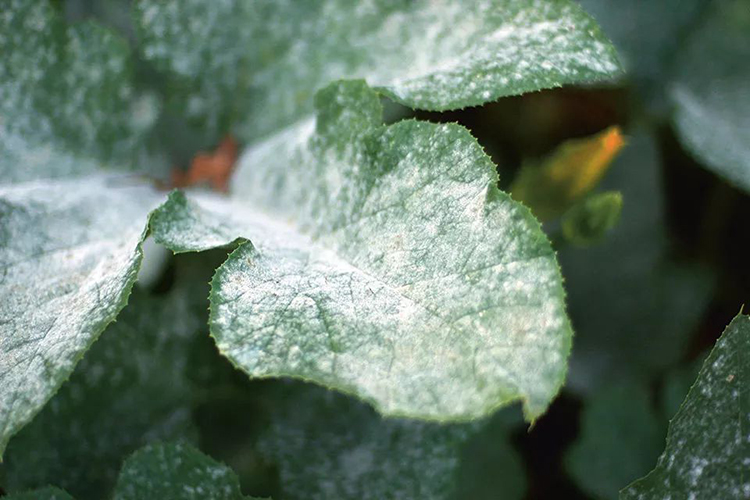 Over the past few decades, evidence supporting the benefits of UV protection of crops from mold, mold and other plant pests, as well as the ability to enhance the medicinal properties of plants, has increased dramatically. However, there are still significant challenges in how to successfully integrate UV into indoor growth facilities.
As the interior grows, it is important to determine the spectrum that best meets the needs of the plant, as the effects of different wavelengths depending on your location in the growth cycle and the specific plant species. For example, in the visible spectrum, a small portion of green light may be beneficial to support plant growth, but studies have shown it to be species-specific, with more than 50% potentially harmful effects. The same is true when UV is applied to agricultural lighting - you must be aware of the work you want to do for the plant.
When choosing LED lighting for plants, it's important to remember that although plants may not get too much light, they certainly produce too much heat. While LED grows lights are more efficient than other types of lamps, research has shown that UV LEDs only convert 15-25% of the received input power into light. The remainder is transferred as heat, so thermal management must be a critical part of the system.
As the price of UV LEDs continues to decrease, the ability to effectively incorporate UV light into the growth process will be greatly enhanced at the appropriate wavelengths, the right dose, and the appropriate time for the life cycle of a particular plant species. This reality will help further research and development of UV solutions, including determining the optimal combination of UV wavelengths and doses to achieve the desired effects of a particular plant species.
At present, Xinjia research has added a proper amount of UV lamp beads according to the needs of the spectrum, which will help the light to be better absorbed. Of course, we can also provide customized services according to your needs. We have more than ten years of professional experience and experience, it is our duty to provide customers with the most suitable plant lights. If necessary, please contactenquiry@ledgs.com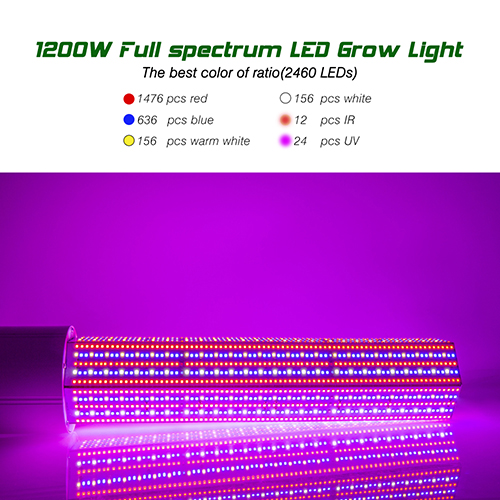
What is The LED Grow Lights?
The LED plant growth lamp is an artificial light source that uses LEDs (light-emitting diodes) as illuminants to meet the illumination conditions required for photosynthesis in plants. According to the type, LED plant lights belong to the third generation of plant fill light fixtures!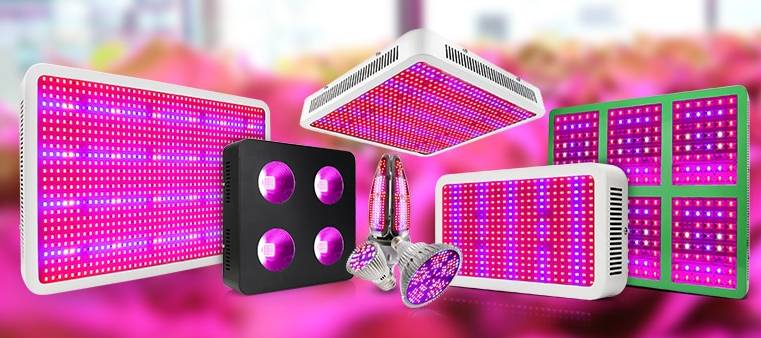 For other introductions about LED grow lights, you can browse the following article.《The FAQ of LED Grow Lights!》
《Why We Need LED Grow Lights?》
《The Best LED Grow Lights Of 2018》
LED Growth Lights Have Many Benefits
Planting indoors, light is indeed a problem, especially for plants that have a high demand for light. At this time, it is an ideal way to use plants to provide plants with the light energy needed for photosynthesis, but many farmers will wonder a question. Is the LED growth light useful?
According to the latest market research report 《Global LED Plant Lighting Market Share, Strategy and Forecast 2015~2021》,LED lamps are lower cost and more energy-efficient than other similar products. Therefore, LED lighting is being adopted quickly. Since LED lighting systems can effectively promote plant growth, LED growing lamps are also widely used worldwide.
Compared to previous high-pressure sodium lamps and metal halide lamps, LED grow lamps are more powerful and efficient. They save power and generate less heat. Less heat allows the plant light to be closer to the plant without worrying that the plant will be scorched.
In the absence of daylight, this luminaire acts as daylight, allowing plants to grow normally or better. This kind of lamp has strong roots, encourages, regulates flowering and flower color, promotes fruit ripening, coloring, and enhances the taste and quality!
The next generation of LED growth lights opens up a dramatic "power saving mode" that delivers unparalleled product reliability. In fact, LED grow lights are changing. They accurately deliver low-power, high-efficiency uniform light and light distribution at the right wavelength and color ratios that are required for efficient photosynthesis.
LED plant growth lights work in three different ways:
1. Provide all the light needed for plant growth
2. Replenish sunshine when the sunshine time is short in winter
3. Increase the duration of the "day" to promote special growth and flowering
LED grow lights control plant growth by regulating light, allowing people to grow food indoors, making full use of wasted space is also a way to produce food efficiently.
《Shock!Turning Waste Into Treasure!Waste Mines Turn Vertical Farms!》
《New Trends In Plant Lighting,Corporate Development Attracts Attention》《Good News!Plant and Harvest The Fruits In Winter!》
As more and more people become aware of the importance of health and try to avoid the harmful effects of pesticides on food, greenhouse operators will find that plant growth lamps will have more potential markets.
Whether the plant lamp is useful or not, it is necessary to make the whole process correct.
First of all, when choosing a lamp, you should pay attention to the LED plant lamp for the needs of plants. If it is a hi-light plant, buy a small-power ordinary plant lamp that can not meet the growing needs of plants. If it is a shade-tolerant plant, use it. Plant lights that are too energy-intensive are not cost-effective; in addition, if you buy LED plant growth lights, you should customize the lamp bead ratio according to the needs of the plants, and let the plants get the best-growing conditions in the most energy-efficient way.
Secondly, pay attention when using plant lights:
1. Regular switch plant lights, such as plants from 9 am to 5 pm, daylight illumination can meet the plant growth needs, fill light can be: 7:00--9:00 and 17:00- - around 21:00;
2. Set a reasonable distance of light, too far from the plant, the light is not enough, can not achieve the best plant light-filling effect, too close to the plant, but only partial light, will cause the plant to receive uneven light, so the growth is not up As expected.
3. Pay attention to the maintenance of plant lights: according to the purchase of plant lights, the instructions provided by the merchant to install, inspect and maintain, the meaning of short time is not great, but the time is not cleaned, the way to clean up, the damage to the province of the lamp It is very big.
《5 Ways To Maintain LED Lights》
Finally, is the LED plant growth light useful? Many scientists have studied and many biologists have proved that LED plant lights are very good plant fill light sources.The composition of light is very complicated. Plants have evolved for so long, and they have adapted to every component of light. They all have needs and dependencies. Therefore, LED plant lights can only supplement one aspect in many cases, and artificial light is impossible. Imitate the effects of natural sunlight on plants. Just as the best perfume maker can't completely simulate the perfume with a natural orchid fragrance, the best designer and maker is still nature.
Different plants have different needs for light. Light can inhibit the growth of plant internodes. This effect increases with the increase of light intensity and the increase of illumination time. Therefore, plants are prone to grow in the case of weak light and short illumination time. Moreover, different light quality will also affect the growth of seedling stems. Under normal circumstances, red-orange light is the most effective light for photosynthesis, which can increase the growth rate of seedlings, but the internodes are long and the stems are weak; blue-violet light can make The seedlings grow short and strong, and the ultraviolet light has the strongest effect on inhibiting the growth of the seedlings and promoting the shortness of the seedlings.
So, if you are a friend who is really interested in plants, or want to make your own plants as long as possible, you don’t have to worry about the "LED plant lights are useful". The preference, master the correct way to use the lights!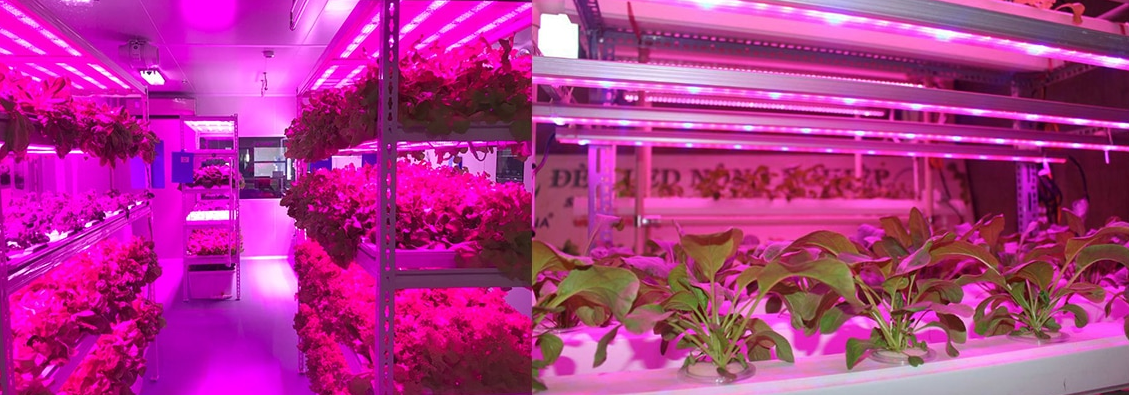 At the same time, Xinjia has specially provided customized services for customers to make LED grow lights work better. We have 10 years of experience in LED lights production. We can develop different LED grow lights according to customers' needs and plant growth characteristics. If you have any needs or problems, please contact us: enquiey@ledgs.com
LED Light
LED (Light Emitting Diode), a solid-state semiconductor device capable of converting electrical energy into visible light, can directly convert electricity into light. The heart of the LED is a semiconductor wafer. One end of the wafer is attached to a holder, one end is the negative pole, and the other end is connected to the positive pole of the power supply so that the entire wafer is encapsulated by epoxy resin.
The LED lamp is an electroluminescent semiconductor material chip, which is cured with silver or white glue to the bracket, and then connected to the chip and the circuit board by silver wire or gold wire, and sealed with epoxy resin to protect the inner core wire. Function, finally install the outer casing.
Energy-Saving Lamp
Energy-saving lamps, also known as power-saving bulbs, electronic bulbs, compact fluorescent lamps, and integrated fluorescent lamps, are lighting devices that combine fluorescent lamps with ballasts (ballasts).
The Comparison of LED Lights And Energy-Saving Lamps
1.Technical Comparison
The working principle of the energy-saving lamp is mainly to heat the lamp filament through the ballast, so that the filament starts to emit electrons, and the transition produces ionization, thereby emitting 253.7nm ultraviolet light, and the ultraviolet light excites the phosphor to emit light, because the temperature of the filament is 1160K when the fluorescent lamp works. Left and right, the temperature of the incandescent lamp is much lower than 2200K-2700K, so its life has also been greatly improved, reaching more than 5,000 hours.
The LED lamp is formed by series or parallel connection of LED lamp beads. These LED lamp beads are composed of light-emitting diodes. Under the action of the integrated circuit chip, the AC 220V power supply is converted into DC power with a voltage and current matching with the LED set. Meet the requirements of the LED lamp bead assembly, so that it can normally emit light.
2.Brightness (light flux) Comparison
Comparing the brightness of LED lights and energy-saving lamps, we will see the following data:
1W LED light = 3W energy saving lamp (CFL) = 15W incandescent lamp
3W LED light = 8W energy saving lamp (CFL) = 25W incandescent lamp
4W LED light = 11W energy saving lamp (CFL) = 40W incandescent lamp
8W LED light = 15W energy saving lamp (CFL) = 75W incandescent lamp
12W LED light=20W energy saving lamp (CFL)=100W incandescent lamp
We can see that LED lamps are much higher in brightness (light flux) than energy-saving lamps and ordinary incandescent lamps. 3.Life Comparison
The life of a typical LED lamp can be used for more than 50,000 hours, and some special LED lamps can reach 100,000 hours. Of course, the life of the LED lamp is determined by the chip and the driving factor. However, since the LED lamp does not have the problem of the filament being blown, the life of the LED lamp is much higher than that of other lamps.
The life of a general energy-saving lamp is about 5,000 hours, and it has reached more than 8,000 hours. That is, the energy-saving lamp needs to be replaced after one year.
In contrast, we can see that LED lights can be replaced after more than five years, which greatly saves the cost of replacing the bulbs.
4.Energy Saving Comparison
Who is more energy-efficient in LED lights and energy-saving lamps? We know that energy saving and high life have always been the two characteristics of LED products. How much energy saving is LED light compared with energy saving lamps?
In the case of the same luminous flux, one LED lamp consumes only 1/10 of the energy of the incandescent lamp and 1/4 of the energy-saving lamp. In home lighting, 10W LED lights use 100 hours, only consume 1 degree, far better than energy-saving lamps.
5.Security Comparison
In terms of safety, there is no doubt that LED lights still outperform energy-saving lamps. Since the energy-saving lamp contains heavy metals, it causes heavy metal pollution when the lamp is broken, so there is a hidden danger in terms of safety. Since the LED lamp is composed of a light-emitting diode, there is no such danger. Due to technical reasons, LED lamps are less susceptible to damage than energy-saving lamps, and consumers do not have to worry about damage caused by lamp or bulb rupture.
Analysis of The Advantages And Disadvantages of LED And Energy-Saving Lamps
LED Lamp Advantages:
1. Energy saving: The energy consumption of white LEDs is only 1/10 of that of incandescent lamps and 1/4 of energy-saving lamps.
2. Longevity: life expectancy of up to 100,000 hours, for ordinary home lighting can be described as "once and for all."
3.Can work in the high-speed state, energy-saving lamps if the frequent start or turn off the filament will be black and quickly broken.
LED Disadvantages:
High starting cost, poor color rendering, low efficiency of high power LED, constant current drive (requires dedicated drive circuit).
Energy Saving Lamp Advantages:
1. Compact structure and small size.
2. The luminous efficiency is high at 60Lm/w, and the power saving is over 80%, saving energy.
3. Can directly replace incandescent bulbs.
4. Long life, 6 to 10 times the incandescent lamp.
5. The inner wall of the tube is coated with a protective film and the triple spiral filament can greatly extend the service life.
Energy-Saving Lamps Disadvantages:
1. Mercury pollution in the production process and after use. At present, countries around the world pay considerable attention to mercury pollution.
2. Because it is a glass product, it is easy to be broken, it is not convenient to transport, and it is not easy to install.
3. Its power consumption is large.
4. Easy to damage, short life, energy saving does not save money.
Based on the above points, it is not difficult to find that with the development of the times and the concept of energy conservation, people are gradually gaining popularity. More and more energy-saving lamps will be replaced by LED lights.
The full spectrum refers to the spectrum of ultraviolet, visible, and infrared light in the spectrum, and the ratio of red, green, and blue in the visible portion is similar to that of sunlight, and the color rendering index is close to that of 1. The spectrum of sunlight can be called the full spectrum. In the artificial light source, the amount of mercury is increased in the arc tube of the arc discharge gas discharge lamp, thereby increasing the light energy of the ultraviolet light portion, and adjusting the metal halide ratio to make the visible light portion The combination of wavelengths of each band is close to the solar spectrum, and the infrared portion of the wavelength is greater than 780. The spectrum is continuous and can last up to 1000 NM wavelength.
The color temperature of sunlight changes with the seasons and the time of morning and evening. Therefore, the spectrum of the full spectrum lamp should change the color temperature with time and simulate the natural light environment to better conform to the natural growth law of the organism. The full spectrum of LED light sources has been developed internationally for many years. However, the current technology is limited to the development of continuous spectrum in the visible light region to improve the color rendering index, but it is difficult to achieve continuous spectrum in the ultraviolet and infrared portions. The spectrum of each UV and IR LED lamp bead is narrow, limited to a specific band, combined into a continuous spectrum, which is very difficult and costly.
Is The Blue Light In LED Growth Lights Harmful To Humans?
The LED plant light source is mainly composed of a red-blue light source, which uses the most sensitive light band of the plant, and the blue wavelength uses 450-460 nm and 460-470 nm.
Blue light is a relatively high-energy light with a wavelength between 400nm and 480nm. It is widely present in computer monitors, fluorescent lamps, mobile phones, digital products, displays, LEDs, etc. The blue light in this wavelength causes the macular area in the eye. The increased amount of toxins is a serious threat to our fundus health.
Specific hazards of blue light:
1. The blue light will aggravate the disease of the macular area of the retina. With the increase of age, the lipofuscin (cell debris) left by the phagocytosis of retinal pigment epithelial cells will gradually accumulate in the retinal pigment epithelial cell layer, which will cause the retina to illuminate the chronic light. More sensitive. The toxicity of the retina increases with the shortening of the wavelength after prolonged exposure, thereby aggravating the disease in the macula.
2.Blue light can cause fundus damage after cataract surgery with age, the body's own lens will gradually yellow.
3.Blue light can have blurred vision, leading to visual fatigue, causing VDT syndrome. When the blue light is incident on the fundus, the focus does not fall on the retina but falls between the retina and the lens, which increases the distance of the chromatic aberration of the light in the eye. The distance between the focal points in the eye is the main cause of blurring of the vision, so the injection of blue light will aggravate the chromatic aberration and visual ambiguity. When the eye muscles are too tight, the blood supply to the eyes is excessively tight, and the blood supply to the eyes is strengthened. Thereby aggravating fatigue.
4.Blue light can emit higher energy between 400nm and 500nm. Light with higher energy has a higher probability of scattering when it encounters fine particles in the air, and blue light becomes the main cause of glare.
5.Blue light can inhibit melatonin secretion, disturb sleep, improve the incidence of its own major diseases. Blue light is enough to stimulate the brain, making the brain excited, affecting the law of the biological clock, it takes too long to fall asleep, wake up many times during sleep Come to wait for insomnia symptoms. People with insufficient sleep or low quality sleep have significantly reduced immune function, responsiveness, memory, and coordination, and have an increased risk of diabetes, heart disease, cancer, obesity, indigestion, constipation, depression and other diseases.
Therefore, it is recommended that when using LED plant lights, do not look directly at the eyes, it is best to wear anti-radiation glasses. Is UV in LED Growing Lamps Harmful To Humans?
Improper use of ultraviolet light can cause damage to the cornea leading to electro-optic ophthalmia:
When UV disinfection is carried out in public places, the energy carried is relatively large. Such short-wave ultraviolet lamps and consumers can choose a safe disinfection and sterilization method in various ways. In the absence of protective measures, use UV light carefully, and if the eyes and skin of the person are exposed to ultraviolet light for more than 3 minutes, it may cause skin cancer.
In plant lights, in order to make the spectrum more full, plants can grow better. Most designers will add UV beads, which has little effect on the human body, so you can use them with confidence.
Is The Infrared Light In The Full Spectrum LED Growth Lights Harmful To The Human Body?
Customers who have an understanding of LED lights can find that there is actually no harm. In the market, there are LED RGB bulbs controlled by infrared rays. In our life, the remote control controls the TV by emitting infrared rays. The LED sensor lamps that are very popular by the public are also using the heat of the human body when the human body is approaching. Infrared detection works, so don't worry about the small amount of infrared light on the plant.《Do LED Lights Harmful To Human Health?》
The plant factory combines modern industry, biotechnology, nutrient solution cultivation and information technology to implement high-precision control of environmental factors in the facility. It has full closure, low requirements for the surrounding environment, shortens plant harvest period, saves water and fertilizer, and has no The advantages of pesticide production and non-discharge of waste are 40~108 times of the production efficiency of open land. An intelligent artificial light source and its light environment control play a decisive role in its production efficiency.
As an important physical environmental factor, light plays a key role in regulating plant growth and material metabolism. “One of the main features of plant factories is the full artificial light source and the intelligent regulation of the light environment” has become a common consensus in the industry.
Plant Demand For Light
Plant life activities are inseparable from light. Light is the only source of energy for plant photosynthesis. Light intensity, light quality (spectrum) and periodic changes of light have a profound impact on crop growth and development, and photosynthesis of plants by light intensity The effect is the biggest. Light Intensity
The intensity of light can change the shape of the crop, such as flowering, internode length, stem thickness, and leaf size and thickness. Plants' requirements for light intensity can be divided into hi-light, hi-light, and low-light plants. Most of the vegetables belong to hi-light plants, and their light compensation points and light saturation points are relatively high. In the artificial light plant factory, the relevant requirements of crop light intensity are an important basis for selecting artificial light sources. Understanding the illumination requirements of different plants is to design artificial light sources. Improving the production performance of the system is extremely necessary.
Light Quality
Light quality (spectral) distribution also has an important impact on plant photosynthesis and morphogenesis. Light is part of the radiation, and radiation is an electromagnetic wave. Electromagnetic waves have wave characteristics and quantum (particle) characteristics. The quantum of light is called photon, and it is also called photon in the field of horticulture. Radiation with a wavelength range of 300-800 nm is called physiologically active radiation of a plant, and radiation with a wavelength range of 400-700 nm is called photosynthetically active radiation (PAR) of a plant.
Photoperiod
The relationship between photosynthesis and photomorphogenesis of plants and the length of day (or light period) is called the photoperiod of plants. Periluminality is closely related to the number of hours of illumination, and the number of hours of illumination refers to the time when the crop is illuminated by light. Different crops require a certain amount of light hours to complete the photoperiod. According to the different photoperiod, it can be divided into long-day crops, such as cabbage, which require more than 12~14h of light hours at a certain stage of birth; short-day crops, such as onions and soybeans, need 12~14h or less. Light hours; medium-day crops, such as cucumbers, tomatoes, peppers, etc., can bloom and bear under long or short sunshine.
Among the three elements of the environment, the light intensity is an important basis for selecting artificial light sources. At present, there are various expression methods for light intensity, including the following three types.
(1) Illumination refers to the luminous flux surface density (luminous flux per unit area) accepted on the illuminated plane, in units of lux (lx).
(2) Photosynthetically active irradiance PAR, unit: W/m² .
(3) Photosynthetically active photon quantum density PPFD or PPF is the photon number of photosynthetically active radiation arriving or passing per unit time per unit area, in units of μmol/(m²·s). Mainly refers to the light intensity of 400~700nm directly related to photosynthesis. It is also the most commonly used indicator of light intensity in the field of plant production.
Light Source Analysis Of Typical Fill Light System
The artificial fill light is achieved by installing a fill light system to increase the light intensity in the target area or prolong the illumination time to achieve the plant's light demand. In general, fill light systems include fill light devices, circuits, and their control systems. The fill light source mainly includes several common types such as incandescent lamp, fluorescent lamp, metal halide lamp, high-pressure sodium lamp and LED plant lamp. Due to the low efficiency of incandescent lamps and low efficiency of photosynthetic energy, they have been eliminated by the market.
Fluorescent Lamp
Fluorescent lamps are a type of low-pressure gas discharge lamp. The glass tube is filled with mercury vapor or an inert gas, and the inner wall of the tube is coated with a phosphor, and the color of the light varies depending on the fluorescent material applied in the tube. The fluorescent lamp has good spectral performance, high luminous efficiency, low power, long life (12000h) compared with incandescent lamps, and relatively low cost. Because the fluorescent lamp itself generates less heat, it can be placed close to the plant for illumination. It is suitable for three-dimensional cultivation, but the spectral layout of the fluorescent lamp is unreasonable. The internationally common method is to add a reflector to maximize the effective light source component of the crop in the cultivation area. Japan's adv-agri company has also developed a new fill light source HEFL. HEFL is actually a category of fluorescent lamps. It is a general term for cold cathode fluorescent lamps (CCFL) and external electrode fluorescent lamps (EEFL). The HEFL lamp is extremely thin, with a diameter of only about 4mm. The length can be adjusted from 450mm to 1200mm according to the cultivation needs. It is an improved version of the conventional fluorescent lamp.
Metal Halide
The metal halide lamp is a high-intensity discharge lamp which is formed by adding various metal halides (tin bromide, sodium iodide, etc.) to the discharge tube to generate different wavelengths on the basis of the high-pressure mercury lamp. The halogen lamp has high luminous efficiency, high power, good light color, high life, and a large spectrum. However, since the luminous efficiency is lower than that of the high-pressure sodium lamp, the life is shorter than that of the high-pressure sodium lamp, and it is currently used only in a few plant factories.
HPS
High-pressure sodium lamps are of the type of high-pressure gas discharge lamps. The high-pressure sodium lamp is a high-efficiency lamp in which a high-pressure sodium vapor is charged in a discharge tube and a small amount of cesium (Xe) and a halide of a mercury lamp metal is added. Because high-pressure sodium lamps have high electro-optical conversion efficiency and low manufacturing cost, high-pressure sodium lamps are the most widely used in agricultural facilities for light-filling applications. However, due to the shortcomings of low photosynthetic efficiency, low-efficiency short-boards are caused. On the other hand, the spectral components emitted by high-pressure sodium lamps are mainly concentrated in the yellow-orange light band, lacking the red and blue spectrum necessary for plant growth.
LED
As a new generation of the light source, light-emitting diode (LED) has higher electro-optical conversion efficiency, adjustable spectrum and high photosynthetic efficiency. LED can emit monochromatic light required for plant growth. Compared with ordinary fluorescent lamps and other complementary light sources, LEDs have the advantages of energy saving, environmental protection, long life, monochromatic light, and cold light source. As the electro-optical efficiency of LEDs further increases, the cost of scale effects decreases, and LEDs will become the mainstream equipment for agricultural facilities.
By comparison, the characteristics of different fill light sources can be clearly understood, as shown in Table 1. Want to learn more about LED plant lights? You can click on the article:《Can Be Eaten The Vegetable Which Grows With The LED Grow Lights》
《The Prospects of LED Grow Lights For Development 》
《Why We Need LED Grow Lights?》 The Design Idea of Typical Crop Fill Light System
The design of the plant factory fill light system is usually designed with the core content of the light intensity, light quality and photoperiod parameters of different crop growth stages and special means of end regulation, and relies on the intelligent control system to implement the implementation, achieving the ultimate goal of energy saving and high yield.
At present, the design of the fill light design for leafy vegetables has gradually matured. For example, leafy vegetables can be divided into four stages: seedling stage, middle growth stage, late growth stage, and terminal treatment; fruit vegetables can be divided into the seedling stage, vegetative growth stage, flowering stage and harvesting stage. From the light intensity of the fill light, the light intensity at the seedling stage should be slightly lower, at 60~200 μmol/(m?·s), and then gradually increase. Leaf vegetables can reach up to 100~200 μmol/(m?·s), fruit vegetables can reach 300~500 μmol/(m?·s), to ensure the photosynthesis requirements of photosynthesis in different growth stages, and to achieve high yield. For the light quality, the ratio of red to blue is crucial. In order to increase the quality of the seedlings and prevent the length of the seedlings, the ratio of red and blue is generally set at a lower level [(1~2): 1], and then gradually reduced to meet the needs of plant light form formation, and the leaf red and blue ratio can be compared. Settings (3~6): 1. For the photoperiod, similar to the light intensity, it should show an increasing trend with the extension of the growth period, so that the leafy vegetables have more photosynthesis time for photosynthesis. The light-filling design of fruit and vegetables will be more complicated. In addition to the above basic rules, we should focus on the photoperiod setting during flowering, and we must promote the flowering results of vegetables so as not to be counterproductive.
It is worth mentioning that the light formula should include the end-disposal light environment setting content, for example, the continuous supplementation of light can greatly improve the yield and quality of the hydroponic vegetable seedlings, or the UV treatment can significantly improve the sprouts and leafy vegetables (especially The nutritional quality of purple leaves and red leaf lettuce).
It is not difficult to find that the LED light source equipment is most in line with the current development trend in order to cope with the weak light and ultraviolet light caused by bad weather such as cloudy weather and haze and to ensure high-yield and stable production of facility crops.
In the future, the development direction of plant factories should be re-typed with high-precision, low-cost sensors and remotely controllable, tunable spectral fill light system and expert control system. At the same time, the future plant factory will continue to develop with low cost, intelligence, and adaptability. The use and popularization of LED light source provide high-precision environmental control for plant factories. LED light environment regulation is a complex process involving light quality, light intensity, photoperiod, and other comprehensive control. It is believed that with the further research of LED fill light illumination and With the promotion, plant factories will play an important role in our lives. 《The Analysis of Vertical Farm Development Prospect》《How To Build A Successful Plant Factory?》《The Problems In Greenhouse And How To Solve Them?》

