Structure of LED Lamps
Currently, there are two types of LED lights on the market, one is a ceiling lamp and the other is a light bulb. No matter which type of lamp, the internal structure is the same, divided into lamp bead and drive.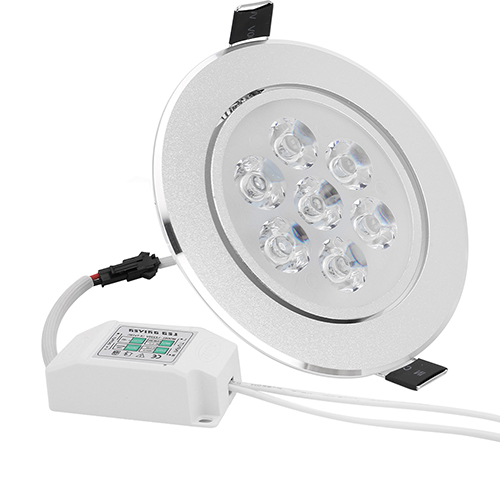 1.Lamp beads
Turn on the white plastic part of the hood or bulb of the ceiling light and you can see a circuit board lined with yellow rectangles. The yellow on this circuit board is the lamp bead. The number of LED lights determines their brightness.
2.Driver
The drive for the LED bulb is mounted at the bottom, and the exterior is not visible. The headlight drive is a black box, and the drive needs to be installed first when the lamp is installed.
The actuator has the functions of constant current, voltage reducing, rectification and filtering.
The Solutions For LED Lights Are Not On
When the light is not on, make sure the circuit is ok first. If it is a new lamp, use a pencil to measure it or install an incandescent bulb to see if there is a voltage in the circuit. After making sure the circuit is ok, you can start the following repair.
1.Driver problem
The lights don't go on, and nine times out of ten it's a problem with the drive. Light-emitting diodes have high requirements on current and voltage. If the current is too large or too small, it will not light up normally. Therefore, the constant current driver, rectifier, voltage reducer and other devices in the driver shall be maintained.
If turn on the light after the lamp bead is not bright, should consider being the problem of drive above all. You can then purchase a new drive to replace it.
2. The dim LED lights
This problem should be solved together with the last one. This could be the case if the lights go dark or not on.
3.Lamp bead problem
The LED beads are divided into a series of beads, each of which is connected in series, and are connected in parallel to each other.
As a result, one of the beads burns out, causing the string to go dark. If one bead burns out in each string, the entire light will go off. If each string has a bead burning, consider the capacitance or resistance on the drive. The burnt bead has a black dot in the middle, and the dot is indelible. If the number of lamp beads burned is small, you can burn the lamp bead behind the two soldering feet with electric iron welding together. If the number of beads burned out too much, it is recommended to buy a lamp panel to replace, so as not to affect the lighting brightness.
4.Solution to flicker after LED lights are turned off
When the lights flicker after turning off, the problem of wiring should be confirmed first. The most likely problem is the switching control of the zero - line. This kind of time should correct in time, lest produce danger, the correct way is to switch control fire line, zero line connects an electric lamp.
If there is no problem with the circuit, it is possible that the LED lamp generates self-induced current. The easiest way is to buy a 220V relay and connect the coil to the lamp.
This is the most common problem we have in using LED lights. If you have any questions about LED lights, you can contact us enquiry@ledgs.com.
The development of LED grow lights continues to change our understanding of agriculture. It is understood that since the rise of agricultural lighting, a number of companies have conducted research on using LED lighting to grow crops. It is worth mentioning that the Dutch companies are quite active in this aspect.Recently, Delphy, a Dutch company, conducted a study using LED lighting to plant tree berries and blackberries to harvest during the winter.Delphy first tried using LED lights last November to plant raspberries and blackberries, and fresh blackberries will be harvested starting in March.The experiment showed that blackberry could be cultivated successfully by LED lighting under limited natural light conditions.On Sept. 11, researchers at the Delphy improvement center began a new program to grow long-preserved and frozen blackberry plants and prepare to harvest fruits in December.Delphy said the project, supported by the Netherlands department of agriculture, nature and food quality, aims to study the effects of indoor lighting and a combination of light intensity on the maturation of crops. At the same time, the research will also develop a future-oriented and efficient new planting concept to achieve the planting of blackberry in winter.In fact, lighting is a key factor in the success of any crop. By combining the most efficient wavelength with the best environmental conditions, we create more arable space in industrial and urban areas, increase global crop yields in a commercial and environmentally sustainable way, and catch up with traditional farming methods. Delphy's success in using plant lights to grow blackberries points the way to a new direction for agriculture.
What Are The Reasons For The Low Rate of Seed Germination?
1. Seed soaking time of different seeds is different in different time, with short soaking time, insufficient water absorption and low germination rate;
2. The water absorption and germination rate of seeds are closely related to the temperature environment. If the temperature of soaking seeds and accelerating germination is too high or too low, it will make the seeds unable to absorb water and the germination temperature unsatisfactory, resulting in a low germination rate. Here is how to effectively improve the success rate of seed germination:
Ⅰ.Sunning The Seed And Choosing Good Seed
Prior to seed hastening, seeds should be dried and selected in advance. Sun planting has the following advantages: improving the water absorbing ability of seeds, killing some pathogenic bacteria on the outer shell of seeds, making the seed germination rate high and the seedling orderly, making the seedling grow strong and the disease is less.
1. Seed drying: the seeds should be spread evenly on a sunny day 2 to 3 days before accelerating the germination. The seeds should be spread thin when planting, and the seeds should be turned over frequently in the process to make the seeds more even.
2. Seed selection: full and full seeds will have a better germination rate and seedling situation. Therefore, it is necessary to conduct seed selection before accelerating germination.
Many seeds are smaller (vegetable seeds, for example) and are difficult to pick. Seeds can be selected with water or salt water: seeds of common varieties can be screened with salt water, and mixed seeds are best screened with water. Empty granules can be removed with clean water, and empty granules can be eliminated with salt water.
A lot of people have such a problem that we use clear water to select a species, but the concentration of salt water to select a species is not easy to grasp, how to do? Tell you a relatively simple method: when the salt water is ready, you can put an egg into it. If the eggs are all submerged under salt water, it indicates that the concentration of salt water is too low and salt needs to be added. When an egg shows only a coin's worth of salt water, the concentration of salt water is appropriate. This method is very simple. Have you learned it?
Ⅱ.Infested The Seed
In order to improve the quality of sowing, it is better to disinfect seeds before sowing, which can significantly improve the rate of germination and greatly reduce the occurrence of diseases and pests in a later stage. So how do we do that?
Scorched by kinds of seed, seed selection, wash, in 50 to 55 degrees warm water soak 10 to 15 minutes, remove the fish in clean water and soak for 2-3 days (seed different soaking time, such as tomato seed soaking for 24 hours, the balsam pear, towel gourd seed soaking 48 hours), every 4-5 hours in a clear water, when the seed soaking water quantity for around 50% of seed weight, seed has been absorbing water saturation, at this time to sprouting at this moment, the highest germination rate. In the process of seed soaking, if the seeds are sterilized with 1, 000 times of polymyxin, it can better reduce the occurrence of seedling diseases after sowing.Ⅲ . Sprouting Operation
If you have the condition, it is better to use the terminator, which is convenient for constant temperature and humidity, so as to better control the temperature and humidity of the germinator.
Method:
Insulation: a 60W LED grow lights suspended in a small hole on the top of the foam box. The bulb is 20 cm away from the seed and used only when the temperature is low. Moisturizing: put a clean and wet cloth on the bottom of the box, put in seeds, and cover with a wet cloth;
Plug in the thermometer from the top of the box and check the temperature at any time.
Specific operation: For soaking seeds out of ventilation to dry, then use clean gauze wrapped seeds such as (parcel is the seeds cannot too tight, should leave some space for seed germination), on heat preservation box or indoor environment sprouting (can fit into a thermometer all the time, in order to grasp the sprouting temperature at any time, check temperature once every 5 hours), constant temperature environment seeds in 30 to 32 generally in about 12 hours can break the chest, and then control the accelerating seed germination temperature to 25 to 28 degrees continue sprouting, under the condition of constant temperature, average 24 hours to rush budding strong kind of bud, bud of the standards, The germination rate is generally above 90%, when 60-70% of the seed germination can be used to sow seeds. Of course, for some friends who like to plant flowers, you can simply use a paper towel for budding. The operation is as follows: find a sealed pot, wet the paper towel and spread it on the bottom of the irrigation, then spread the flower seeds evenly on the paper towel, cover the cover and put it in the warm shade, usually after a few days, the flower seed can germinate. Or place washed flowers on a wet towel and cover them with a clear glass cover. For those seeds with thick and hard shells, they should be soaked before budding.
Seasonal Problems
Growers use greenhouses to produce their crops in the first place to provide insulation and protection for plants grown in the greenhouses, but this artificial environment also has many problems. For example, for plants growing in a greenhouse, especially young plants, relatively short periods of high temperature or sun exposure can cause serious damage to the plants, so it is very necessary to take corresponding preventive measures. Ventilation and sunshade are the two main cooling methods in the greenhouse to ensure the normal growth of plants. When choosing a greenhouse that is suitable for growing plants, you should first consider whether the greenhouse is equipped with a fan. When the temperature inside the greenhouse increases, the fan can be used to adjust, so as to reduce the temperature inside the greenhouse.
Some plants have high light resistance and are relatively resistant to sun exposure, but many require a degree of shade to protect them from direct sunlight. There are many ways to protect the seedling from the sun. When the sun is strong in the afternoon, it can be shaded on the top or side of the greenhouse to avoid direct sunlight, and reduce the possibility of heat damage.
Low-Temperature Disaster
If suddenly encountered cooling, frost in the greenhouse will cause frost damage to the plants. Because of the complicated and changeable weather conditions, the occurrence of catastrophic weather cannot be predicted accurately and timely by relying on the weather forecast alone. The greenhouse needs to arrange the warm air blower or the warm air machine, the best can control automatically, when the frost occurs, the greenhouse internal greenhouse reduces, the warm air fan can carry on the warm air automatically, thus guarantees the greenhouse the plant to grow normally the need, but is not affected by the outside weather change. If cost and benefits are taken into account, you can also choose the most popular LED grow lights on the market.
About The LED Grow Lights:
《Why We Need LED Grow Lights》
《The Analysis Of LED Grow Lights Prospects For Development》《Can Be Eaten The Vegetable Which Growa With The LED Grow Lights》Condensate
It is a big problem that the humidity in the greenhouse is easy to produce condensation water. Humid, unventilated air environments provide ideal conditions for many germs, especially grey mold. Therefore, maintaining good air mobility is one of the key measures to reduce the occurrence of diseases. One of the reasons why the condensation water in the greenhouse is easily neglected is that in winter, in order to improve the internal temperature of the greenhouse, a heater is used, and the fuel will produce a large amount of water in the combustion process. In winter, the outdoor temperature is low, the ventilation in the greenhouse is not very good, and the air circulation is not good. Greenhouse Space Planning
Overly burdensome management inevitably leads to problems or loss of interest. While you'll start out with a management plan, there are always problems that can overwhelm an inexperienced grower. Growers are often unaware of the large areas of greenhouses they choose to plant, resulting in too small an area. So when choosing a greenhouse, make sure you have enough space for future expansion. If you want to expand the production area, but cannot really expand the existing greenhouse space, then you can only choose the second greenhouse to supplement.
It is difficult to leave enough space in a greenhouse to store equipment and keep it clean, especially in a relatively small one. All the objects in the greenhouse should be well known and know how to properly plan the use of space. Use a waterproof case to prevent rust or damage. Chemicals such as pesticides need to be stored safely to prevent accidental damage to children or pets. Due to the lack of sufficient space, and the cleaning work in the greenhouse itself is not easy to do well, so the equipment and goods are put in order, which can also reduce the risk of diseases and pests in the greenhouse.
Prevention And Preparation In Advance
The problems of gardening in open fields inevitably occur in greenhouses as well. Only by understanding the problems that may occur in advance can we prevent them from happening in the future, reduce the potential risks and solve the problems that have occurred in a timely manner.
Daily Maintenance of The Greenhouse
A greenhouse is like a house we live in. It needs regular maintenance to keep it tidy. Generally speaking, it is to maintain the inside and outside of the greenhouse, including the structure of the greenhouse, heating equipment, ventilation equipment, water supply system, and the most important environmental maintenance of the greenhouse itself.
1. Routine Maintenance
The greenhouse needs to be constantly checked for damage. Glass greenhouses should be checked for integrity after strong winds. The greenhouse's skeleton structure also needs regular inspection. Bamboo and wood structure greenhouse needs to be painted regularly or anticorrosive treatment, repair damage at any time. Aluminum frame greenhouses, on the other hand, require no such work and are relatively cheap to maintain.
2. Clean
Cleaning the greenhouse on a regular basis can protect the greenhouse's skeleton structure. If the mulch of the greenhouse is not clean, it will reduce the intensity of light and affect the seedling growth. You can choose to do the overall cleaning before planting in spring or before planting in autumn.
External cleaning of the greenhouse is optional on a windy day. Clean the mulch with water. The water on the mulch will evaporate quickly in a windy environment to avoid watermarks. For the aluminum greenhouse, the dust can be collected easily under the window, which can be washed directly with a water pipe, and the dust can be removed gently with the setting tool.
The inside of the greenhouse needs more thorough cleaning, not only for the sake of a pleasant and clean working environment but also for the prevention and control of various pests and diseases in the greenhouse. Greenhouse cleaning is a very important part of greenhouse management, which effectively avoids many possible troubles.
When cleaning the greenhouse, make sure the power is off, turn off the heater, LED plant lights and other related equipment, and cover the socket. If outdoor temperatures are allowed, it is best to move plants, containers, and equipment outdoors, or keep plants in other greenhouses to prevent them from freezing. Take the time to examine each plant and remove the stumbles.
Used fertilizer and planting bags can be discarded, the ground leaves to clean up, weed. A comprehensive cleaning and disinfection of the greenhouse, including glass, walkways, and walls. Leave all the plants to dry and put them back in the greenhouse.
3. Equipment Inspection
Heaters, ventilators, and irrigation systems are very important and don't forget to check and maintain them regularly. There are also containers such as flower POTS and workshops that also need to be sterilized. The lighting system also needs a regular inspection to check if it is normal, and the lamp that cannot be used should be replaced in time.
4. Maintain The Planting Environment
In the warm and humid greenhouse environment, diseases and pests are very likely to occur and spread rapidly when given the opportunity. Therefore, it is very important to keep the environment in the greenhouse clean and tidy. Make necessary supports to the plants, trim off the points, etc., and weed the land in time.
Greenhouse cleaning is just as important as cleaning your house, but regular maintenance is just as important, making everything in the greenhouse work normally. If you can maintain regular maintenance, it will take less time each time.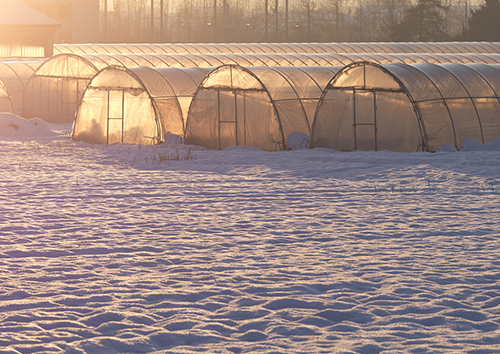 Prepare
Winter is a very special time, because of the lack of light, cold weather and so on makes the growth of plants very difficult. At this time, we must pay close attention to the possibility of various problems, try to keep clean and tidy to reduce the possibility of various problems. Use tools to get plants through the winter.
You may also be interested in the following articles:
《7 Ways To Improve Your Greenhouse's Temperature In Winter》
《How To Improve The Output of Greenhouse Vegetables》
The Wind of Wisdom Came and The Agricultural Market Was Opened
With the gradual maturity of the blue light LED technology and the introduction of intelligent control technology, Internet of things technology and sensing technology, the energy consumption of artificial light source has been greatly reduced, and intelligent plant lighting plants have gradually risen up. In 2017, Internet of things giant Beijing Orient built a plant lighting plant covering an area of 4,500 square meters in Beijing, using various LED plant lighting to supply light source for vegetables from breeding to maturity throughout the life cycle. This modern planting method overcomes the limitations of the geographical environment, effectively improves the growth efficiency of vegetables and greatly increases the yield of vegetables. Vegetables grown in this way can yield five times as much as those grown in traditional soil.
Back in the late 1980s, the United States built one of the world's largest mega-plant factories, Biosphere 2, a project designed to explore the feasibility of building closed ecosystems. Although the project ended in failure, it gained experience in new agricultural development and laid the foundation for the future construction of vertical aerial plant factories in the United States. Today, many U.S. cities are building plants and exporting the technology to places like the Middle East.
Today, the concept of intelligent and green environmental protection has been deeply rooted in the hearts of the people. It is a major trend of the future to combine high-tech and agriculture to create an intelligent agriculture that meets the needs of modern society. By biological technology, the Internet of things, big data, artificial intelligence, sensor technology and other high-tech technology together, and then on the basis of plant growth rule for precise control on the growth environment, so as to achieve optimization of plant growth, shorten the mature period, the purpose of increase production plants, rewrite the history of the traditional agriculture "weather", the new cultivation way has extremely far-reaching significance.
Although the advantages of plant lighting technology have been fully highlighted, there are still many obstacles to large-scale cultivation. Since a large amount of cost must be invested in the equipment at the initial stage, even if it can increase the output of vegetables, the vegetables grown are not significantly different from the traditional planting methods in taste and taste and do not have competitive advantages in pricing. Therefore, it cannot bring high profits to the enterprise quickly. Coupled with the lack of public understanding of plant lighting technology, it is difficult to open up the market acceptance, is bound to undergo a process of popularization.
To sum up, there are some problems in modern plant lighting, such as high technical barriers, a large investment in the early stage, high operation cost and long return cycle. These are all difficulties that need to be faced in the development and expansion of LED plant lighting industry, and enterprises will try their best to solve these problems.
Promising, Tech Giants Jump To 'Grow Vegetables'
The technical barriers to intelligent agriculture with the support of various new and high technologies are very high, so it is difficult for ordinary enterprises to get involved in this field. However, its broad market prospect has successfully attracted many well-known technology enterprises, including industrial giants GE, Siemens, LG, hon hai, TSMC and even well-known Internet companies like JD.com and Alibaba. On April 9 this year, the launching meeting of JD UAV opening & smart agriculture community was held at the headquarters of the JD group. JD hopes to build a smart agriculture open platform covering the whole upstream and downstream of the industry by integrating the group's logistics, finance, fresh food, big data and other capabilities. In June, GE announced the construction of a 5,120 square meter LED vertical farm in the UK. However, objectively speaking, intelligent agriculture is still in its early stage of development, and there is still a long way to go from large-scale industrialization.
Patterns and Challenges of LED Grow Lights Market
With the rapid growth of urban population, increasing demand for vegetables and decreasing land resources brought by urbanization, and the increasing environmental burden caused by traditional agricultural production methods, it is more and more important to seek breakthroughs beyond traditional planting methods. The way of plant lighting has incomparable advantages. Through intensive planting, it breaks through geographical and environmental constraints and can save resources to a greater extent, which is the general trend of future development.
At present, three major markets of LED plant lighting are planted factory, plant landscape, and breeding lighting. In terms of the global market, the United States, Japan, South Korea, the Netherlands and other countries are in a leading position in plant lighting. Due to Japan's problems of small land area, large population and the relative shortage of resources, plant lighting technology can well alleviate the pressure brought by the shortage of food, energy and land resources. Therefore, plant lighting technology has been highly valued in Japan, and the government has actively issued relevant policies to support, and directly provided more than 50% subsidies to the construction of plant factories and individuals. At present, Japan has the world's largest number of modern plant lighting factories, up to hundreds. With advanced technology and experience in plant lighting, Japan has been promoting the export of related technologies, and companies represented by Toshiba and Mitsubishi are actively promoting their related technologies to the sea.
Taiwan, China is a world-renowned "semiconductor kingdom" with a sound optoelectronic industry foundation. Plant factories started in Taiwan around 2010. In terms of resources, the situation of Taiwan is similar to that of Japan. Therefore, Taiwan chooses fine agriculture as its development director and has successfully entered the ranks of world advanced agriculture. Its plant factory products are supplied to many European countries.
Although LED grow lights has a broad market space, there are still some shortcomings in specific applications. Because the LED lighting plants need comprehensive consideration, pipe distribution uniformity, light intensity and spectrum efficiency, such as heating elements, and plants need specific wavelengths, the needs of different varieties, growth cycle of light will also vary, so plant factory needs comprehensive content such as plant species, growth stage, timely adjust the best growth curve. The full-spectrum controllable ZW0210 product introduced by Sinjia perfectly satisfies the whole process of plant growth. Red, blue and full-spectrum lighting modes can be realized only by switching and adjustment. It is very easy and efficient to solve the adaptability problem of plant lamps.
 Overall, there is a global consensus that the prospects for the plant lighting market are promising, and that an outbreak in the market would have a huge impact on the agricultural market.
What is LED Grow Strip Lights? The strip refers to the LED lamp is welded to the copper wire or the strip flexible circuit board with the special processing technology, and then connected to the power source to emit light, because its luminous shape is like a strip of light. The earliest process is to weld LED to copper wire, then to cover PVC pipe or directly shape the equipment. There are two types: round and flat. The titles are divided according to the number of copper wire and the shape of the led lamp belt. Flat on the front plus flat word, that is, flat second line. Later, it developed into using the flexible circuit board or FPC as the carrier, which gradually replaced the earlier processing technology due to its simpler processing technology, easier quality control, longer life and higher color and brightness. And the LED plant light belt refers to the special plant light supplement.
Main Features and Advantages of the LED Grow Strip Lights
1.Soft and can curl like a wire.
2. Able to cut and extend.
3. The bulb and circuit are completely wrapped in flexible plastic, with good insulation and waterproof properties, and safe to use.
4. Strong weather resistance.
5. No rupture, long service life.
6. Easy to follow and use, it has been widely used in gardens, courtyards, and greenhouses.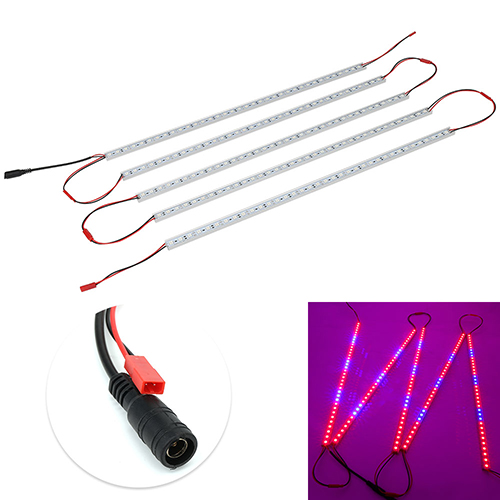 The Span Life Of LED Grow Strip Lights
Since LEDs are constant-current components, LED plant light strips produced by different manufacturers to have different constant-current effects and, of course, different life spans. All of the products of Xinjia choose the best raw materials, and with ten years of technical experience, the service life of the LED grow lights are more than 50000 hours
What Should I Pay Attention to When Using the LED Grow Strip Lights?
1. Anti-static: as the LED is an electrostatic sensor, if the anti-static measures are not done during the maintenance of the LED lamp belt, the LED will be burned, resulting in waste.
2. Continuous high temperature: two important components of the LED lamp belt, LED and FPC, are products that cannot sustain high temperature. If the FPC is kept at a high temperature or exceeds its temperature, it will bubble the covering film of FPC and directly cause the LED lamp band to be scrapped. At the same time, the LED cannot endure the high temperature continuously, in the high temperature for a long time, its chip will be burned at high temperature. Therefore, the plant lamp belt should pay attention to heat dissipation after lighting for a period of time. At the same time, plants do not need up to 24 hours of irradiation.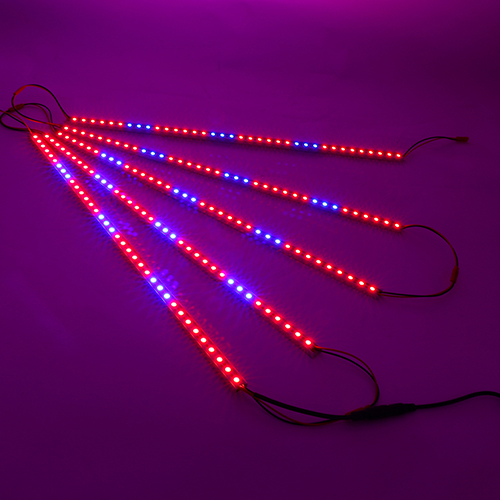 How To Choose High-Quality LED Grow Strip Lights?
If we can identify the quality of LED strips from professional technology, I am afraid that many customers do not have this ability. But we can make a preliminary identification from the simple appearance, and basically distinguish the quality.
It can be identified from the following aspects:
1. Look at the solder joints. Regular LED strip manufacturer produces LED strip using SMT patch process, solder paste, and reflow soldering. Therefore, the welding spot on the LED lamp strip is relatively smooth and does not have much solder. The welding spot extends from the FPC welding pad to the LED electrode in an arc shape.
2. Look at the quality of FPC. FPC is divided into two types: copper and calendered copper. The copper foil on the copper plate is protruding, which can be seen from the joint between the pad and FPC. The calendered copper is closely connected with FPC and can be bent at will without the phenomenon of solder plate falling off. If the copper plates bend too much, the solder plate will fall off, and too high temperature during maintenance will cause the solder plate to fall off.
3. Check the cleanliness of LED lamp belt surface. The surface of the LED strip produced by SMT process is so clean that no impurities or stains can be seen. The fake LED strip, manufactured by hand welding process, will leave stains and traces of cleaning no matter how it is cleaned.
4. Look at the package. The regular LED strip will be packed with anti-static coil material, 5 meters or 10 meters roll, and sealed with anti-static and moisture-proof packaging bag outside the package. The LED strip of the low version is made of recycled coil material, and there is no electrostatic and moisture-proof packing bag. If you carefully look at the coil material, you can see the marks and scratches left when the label is removed.
5. Look at the labels. Regular LED strips will have printed labels on the packaging bag and reel, not printed labels.
6. See the attachment. Formal LED strips will be accompanied with instructions and specifications in the packaging box, and will also be equipped with LED strip connectors or clips. However, these accessories are not included in the packaging boxes of the fake LED lights, because some manufacturers can save money after all.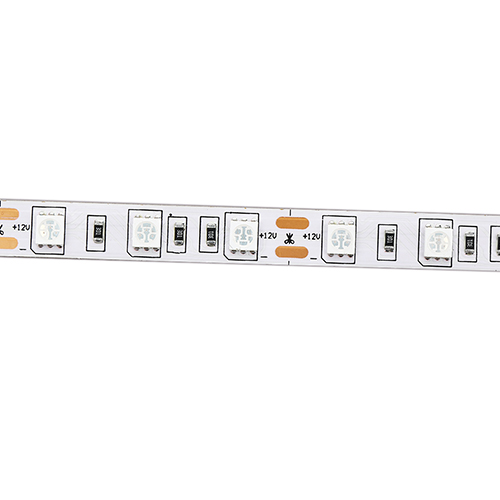 The Reason Why LED Grow Strip Lights Are Often Not On
1. The welding spot of the LED flexible light strip has the phenomenon of virtual welding, and the welding spot falls off due to the vibration during transportation, resulting in the lamp band is not on.
2. The soldering quality of the LED flexible lamp belt is poor, and the welding spot of the LED flexible lamp belt is prone to brittle and falling off in the bending process
3. When the LED flexible lamp belt is installed, the bending Angle is too large, which causes the LED flexible lamp belt welding spot to be separated from the copper foil, resulting in no light
4. Excessive extrusion of the product during the installation of the LED flexible lamp belt, resulting in the chip damage of the LED flexible lamp belt or the welding spot deformation falling off instead of lighting
5. The resistance welding layer of the circuit board of the LED flexible lamp is too thick, and the solder and circuit board cannot be completely integrated during welding, which is also a kind of virtual welding phenomenon.
6. The LED flexible light strip shall not be twisted during installation. If twisted, the welding spot of the LED flexible light strip will fall off, which will cause it not to light up.
7. The static electricity burns out because the LED is an electrostatic sensor. If there is no electrostatic protection, the chip will burn out.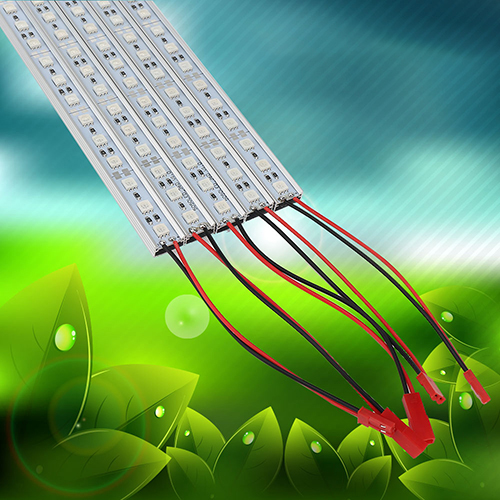 Now that you know more about LED grow strip lights, you can click on the following article to get more knowledge for LED Grow Lights:
《The FAQ of LED Grow Lights》
《The Most Popular Indoor Small LED Grow Lights Of 2018!》
Sunlight is composed of many different wavelengths of light, and only a tiny fraction of the solar radiation spectrum affects photosynthesis, about 5 percent of the sunlight. The optimal ratio of red light at 620-680nm and blue-violet light at 400-500nm was obtained through the study and LED plant lamp was successfully developed.
LED grow lamps can not only emit monochromatic light with narrow light waves, such as red, orange, yellow, green, blue, infrared, etc., and can be combined randomly according to different needs of plants, but also be a cold light source with low heat properties, and reduce the use of chemicals such as pesticides and hormones to ensure food safety.
 Below is the ratio of 14 kinds of vegetables needs light source parameters:
(1) Lettuce: red and blue light sources 6:1 and 7:1 respectively are the most suitable for planting and seedling growth.
(2) Leek: red/blue 7:1 under treatment of leek plant height, stem thick, leaf width and other mass ratio were significantly higher than other treatments.
(3)Cucumber: The best red-blue ratio in the growth period of cucumber seedlings is 7:2, and the best ratio is 7:1 in the growth period.
(4) Green vegetables and water convolvulus: the best red and blue light proportion suitable for the growth of green vegetables and water convolvulus leaves is 7:1.
(5) White Radish: the most suitable light quality for growth: red and blue proportion: 8:1.
(6) Rapeseed: the proportion of red and blue light is 9:1, which is conducive to the growth of rapeseed.
(7) Strawberry and tomato: red and blue ray 9:1 is most beneficial to the growth of strawberry and tomato, and the fruit is full and nutritious.
(8) Holly: red and blue are arranged in proportion to the ratio of 8:1. Holly grows best, is strong and has very developed roots.
(9) Budding vegetable: the most significant effect is 6:2:1 red, green and blue.
(10) Calla Lily: growth condition to supplement the red and blue ray ratio of 6:2 is the best effect.
(11) Hot sun in the palm: comprehensive analysis showed that the treatment of red and blue ray was better, which was conducive to morphology, root growth, and dry matter accumulation.
(12) Dendrobium: red and blue ray: 3, with the best proliferation effect; At 6:4, it is more conducive to photosynthesis and material accumulation of seedling plants.
 Lettuce, for example, they need planting environment parameter values for:
Illumination above the plant: 2,600-2900lx (pure red and blue spectral illumination value, non-white illumination value), no natural illumination, complete artificial lighting system, the early irradiation period is open at 6h, closed at 2h, and circulates three times every day; Open at 14h and close at 10h, circulating twice a day.
Ambient temperature: 28 to 30 ℃ (late start adding air conditioning, maintain 28 ℃);
Relative humidity: 50%-70% (late air-conditioning down to about 60%).
 Of course, the above data can only be used as a reference. In the actual planting process, it is necessary to set the specific plant according to the specific plant. In order to provide customers with the best plant lights, Xinjia especially sets up customized services to provide the best lighting for plants.
Greenhouse, a relatively closed production system, will play an important role in meeting the growing demand for food in the future. In recent years, the shortage of greenhouse lighting is more and more get the attention of people, on the one hand, is due to greenhouse azimuth, structure, cover material characteristics caused by the greenhouse light transmittance drop, on the other hand, is caused by a lack of sunlight greenhouse crops, as a result of climate change, such as a continuous wet weather of winter and early spring season, frequent fog weather, etc. Lack of light directly affects greenhouse crops adversely, causing serious losses to production. These problems can be effectively alleviated or solved by the plant supplementary lighting.
 Incandescent lamp, fluorescent lamp, metal halide lamp, high-pressure sodium lamp and new LED lamp have all been used in the greenhouse. Among these types of light sources, high-pressure sodium lamp has high luminous efficiency, long service life, and high comprehensive energy efficiency, and occupies a certain market position. However, problems such as poor lighting persistence, low safety, and non-close irradiation are also prominent. Some scholars hold a positive attitude towards LED lamps in the future or overcoming the problem of insufficient performance of HPS lamps. However, LED is expensive, light supplement technology is difficult to complete, and the view of light supplement is not perfect. In addition, the product specification of LED plant light supplement lamp is confusing, which makes users question the application of LED in plant light supplement. Next, let's look at which led plant lamps and high-pressure sodium lamps are more effective.
Differences Between High-Pressure Sodium Lamp And LED Plant Lamp

Luminescence Principle and External Structure Differences
High-pressure sodium lamp is composed of mercury, sodium, xenon arc tube lamp core, glass shell, anaerobic agent lamp holder and so on. The ballast is divided into inductive high - pressure sodium lamp and electronic high - pressure sodium lamp.
LED, also known as the light-emitting diode, is a chip composed of a P-type semiconductor and N-type semiconductor. There is a transition layer between the P-type semiconductor and N-type semiconductor, which is called p-n junction. As the current flows from the LED anode to the cathode, the semiconductor crystal emits a different color of light from purple to red. The intensity of the light is related to the current. According to luminescence intensity and working current, it can be divided into general brightness (luminescence intensity < 10 MCD), high brightness (luminescence intensity is 10~100 MCD) and ultra-brightness (luminescence intensity > 100 MCD). The structure is divided into four major parts: the structure of the light distribution system, the structure of the heat dissipation system, the driving circuit and the mechanical/protective structure.
Differences In Irradiation Range And Spectral Range
High-pressure sodium lamp bulb light Angle is 360 °, most have to pass a reflector to exposure to the designated area after reflection, the spectral energy distribution is rough as red, orange, yellow-green, light LanZiGuang (account for only a small part).
According to the different distribution of the LED light is designed, the effective light Angle can be roughly divided into 180 ° or less, 180 ° ~ 300 ° and 300 ° or three categories. LED light source has adjustable wavelength and can emit monochromatic light with the narrow light wave, such as infrared, red, orange, yellow, green, blue, etc., which can be combined randomly according to different needs.
Applicable Condition And The Differences of Life
High-pressure sodium lamp is the third generation of lighting source. It has a wide range of conventional alternating current. It has high luminous efficiency and strong penetrability. Sodium lamp is a kind of thermal light source. In the process of use, there is also a self-extinguishing problem.
LED, as the fourth generation of new semiconductor light source, is driven by dc, with a life of more than 50000 hrs and low attenuation. Comparing LED with a high-pressure sodium lamp, it is pointed out that LED is safer, free of harmful elements and more environmentally friendly.
The Difference of Effects of High-Pressure Sodium Lamp And LED Grow Lamp on Crops
A large number of production practices and scientific researches in agricultural production have proved that artificial plant light supplement can not only increase crop yield and shorten planting cycle, but also effectively improve crop quality. In the process of seedling breeding and crop management in the greenhouse, high-voltage sodium lamp and LED are used to supplement light, which can promote the growth and development of crops and change the yield, shape and physiological indexes of crops.
Yield and Quality Differences
High yield and high quality of crops are the ultimate goals of planting and cultivation. LED light supplementation can improve the quality of seedling of pepper, tomato and eggplant, and the single fruit quality and yield of tomato plant increase obviously under the condition of 10 hours of light supplementation. The increased yield of LED light is also shown in cucumber planting. LED can improve the quality of grapefruit, in which the fruit develops the fastest with blue light supplementation treatment, the fruit has a higher single grain quality, the highest sugar content, and the single grain quality is the largest in the mature period of UV-supplementation treatment. Similarly, 70W high-pressure sodium lamp had an obvious effect of increasing yield per plant of strawberry by 17.9%. High - pressure sodium lamp and LED supplementation to have a significant effect on plant morphology. The visual fruit quality of cucumber was also improved by the LED side lighting treatment. Add LED to sodium lamp, compare only sodium lamp treatment, cucumber color more bright-colored.
Morphological Index Difference
Plant morphology index is an important index in the growth process of plants, especially in seedling production, which determines whether the plants can grow healthily after transplantation and cultivation. In general, the growth rate of LED conifer plants is better than that of a high-pressure sodium lamp.
Physiological Difference
The content of chlorophyll directly affects the accumulation of photosynthetic products in leaves. Studies have shown that the chlorophyll content of plants under LED growth is higher than that of a high-pressure sodium lamp. Both LED and hv sodium lamp can improve photosynthetic pigment content. Moreover, the accumulation of photosynthetic pigment is higher than that of hv sodium lamp and the transpiration rate is higher than that of hv sodium lamp. The special spectral proportion of LED can also affect the flowering effect of some plants. In addition, it must be pointed out that chlorophyll content alone cannot positively indicate the effect of light on the photosynthetic capacity of plants, because when plants encounter low light density environment, they will automatically adapt to the weak light stress and accumulate more chlorophyll in the leaves to obtain more light energy.
High-Pressure Sodium Lamp and LED Production Cost Difference
Compared with the traditional light source, high-pressure sodium lamp and LED have obvious advantages. High-pressure sodium lamp and red and blue LED lamp to apply top light to the plant canopy, both of which can achieve the same output, and the LED only needs to consume 75% of energy. It is reported that under the condition of the same energy efficiency, the initial investment cost of LED is 5-10 times that of the high-pressure sodium lamp device, and the initial high cost makes the LED's quantum cost per mole of light within 5 years of using it 2~3 times that of the high-pressure sodium lamp. For flowerbed plants, a 150W high-pressure sodium lamp and a 14W LED can achieve the same effect, compared to a more economical 14W LED. In the 550m2 area, the cost per kg of cucumber is $1.30 for the high-pressure sodium lamp alone, $1.45 for the sodium lamp and single-row LED lamp, $1.72 for the sodium lamp and 2-row LED, and the profit cost ratio is 2.31, 2.07 and 1.74 respectively. The use of LED in the shed room requires a large number of erections, and the one-time input cost is relatively high. For individual vegetable farmers, the investment is relatively difficult. Whether the cost reduction effect generated by LED power saving can fully compensate for its initial investment and subsequent financial costs in its effective lifespan requires careful calculation and measurement.
 The most absorbed by green plants are red-orange light with a wavelength of 600~700nm and blue-violet light with a wavelength of 400~500nm. High-pressure sodium lamp and LED can meet the lighting needs of plants. The high-pressure sodium lamp has a moderate price, can be accepted by the broad masses of farmers, the short-term effect ability is better than LED, its matching supplementary light technology has been relatively mature, is still in large-scale use. However, the high-pressure sodium lamp needs to be equipped with ballast and related electrical appliances, which increases its use cost. Compared with high - pressure sodium lamp, LED has a narrow spectral adjustability, high safety, and reliability. LED has flexibility in the application of plant physiological experiments. LED can be widely used in the production of high-quality medicinal crops. Some scholars pointed out that LED technology has great potential in improving the growth of plants.
In fact, the process of planting should be reasonably selected according to the actual situation of cultivation demand, application target, investment capacity and cost control.
While many are still questioning whether vertical farming can truly solve the world's food shortage, it doesn't prevent companies from exploring food production in all kinds of extreme environments.
For example, can the agricultural production stop depend on the sky? Can the whole building be turned into a farm? How are wind towers integrated into vertical agriculture? What value can modularization and customization play in the field of agricultural production? What new technologies and models will emerge in vertical agriculture? In short, explorers are boldly accelerating the transformation of vertical agriculture, and new ways of growing vegetables are constantly being formed. Here are 13 innovative technologies and their applications that represent the latest advances in vertical agriculture: 13 cutting-edge gardening models, which are you picking?
1.Hydroponics-a method of growing plants without soil
Hydroponics, a new method of plant cultivation, is widely used in vertical agriculture. This method replaces the soil with nutrient solution, thus eliminating the bacteria and harmful substances in the soil, thus realizing the real green food production.
As the roots of plants are immersed in the nutrient solution, the monitoring of plant growth and nutrients in the nutrient solution can be easily realized through the sensor, so as to improve the optimal environment for plant growth.

2.Aerosol Growing - growing plants without soil and with little water
Aeroponics is a new type of Aeroponics that was invented by NASA in the 1990s in the United States to find effective space plant planting techniques. The technology later became known as Aeroponics, which means "plants growing in an air/fog environment with no soil and little water."
Aerosol culture is used to atomize nutrient solution into small droplets by spray device and spray directly on the root of plants to provide water and nutrients needed for plant growth.
Among the vertical agriculture technologies, aerosol cultivation is the most water-saving technology, which can reduce water consumption by 90% compared with hydroponics. At the same time, aerosol cultivation can make plants absorb nutrients more efficiently and grow healthier and more nutritious.

3.Fish and Vegetable Symbiosis - an ecosystem that integrates plant and fish farming
The fish and vegetable symbiosis system are much like the hydroponics system, but it is more optimized. The method aims to integrate fish and plants in the same ecosystem, with fish growing in indoor ponds and producing nutrient-rich waste that can serve as a nutrient source for plants on vertical farms.
On the other hand, these plants can purify and filter wastewater for use in fish ponds. The fish and vegetable symbiosis system simplifies production and economic problems and maximizes production efficiency.
Compared with most innovative vertical agriculture technologies, the application scale of fish and vegetable symbiosis system is relatively small at present.
 4.Lokal - a small, self-contained household vegetable system
In September 2017, IKEA innovation lab Space10 came up with the idea of Lokal using hydroponic agricultural systems. By replacing the soil with nutrient solutions and replacing sunlight with LED grow lights, people can grow and harvest crops in indoor areas without sunlight or soil. This innovation could really help people grow fresh food in their homes.
According to SPACE 10, the system can make plants grow three times faster than traditional planting methods and reduce water consumption by 90 percent. With sensors, users can keep track of the growing status of crops on their phones. In the long run, IKEA wants to use machine learning to collect and analyze people's use of Lokal's data.

5.AeroFarms - intelligent vertical agriculture innovation
Established in 2004, AeroFarms, an American vertical farm, is a leader in indoor farming by using state-of-the-art technologies such as LED lighting, aerosol cultivation and climate control to grow vegetables without sunlight, soil and pesticides. Now the company has been able to grow more than 250 vegetable varieties.
Through sensors, the company can realize intelligent digital management of the whole process of crop growth, shorten crop harvest time, improve food quality and reduce the impact on the environment, making crop growth and harvest more controllable and efficient.
The company has built several farms around the world, including the world's largest vertical farm, which was established in Newark, the United States, in 2016. With an area of 69,000 square feet, the farm can produce 2 million pounds of vegetables and spices a year and save 95 percent of its water compared to crops grown in ordinary fields.
 6. Plantscapers - buildings providing food for the tenants
Plantagon, a Swedish food technology company, has come up with an innovative solution that will allow office Spaces and buildings to feed people directly. To that end, Plantagon bought a patent for a vertical greenhouse invented by a farmer named Ke Olsson, which USES a sort of overhead transport system that gradually moves the growing box from the floor of the vertical greenhouse to the ceiling without the need for artificial lighting.
Plantagon incorporated the patent into the Office Building, which will be named the World Food Building, with the goal of producing at least 550 tons of vegetables a year, which is expected to provide daily necessities for nearly 5,000 people. To keep costs low, the building will be maintained and harvested using highly automated technology.
In addition, sunlight, temperature, nutrition and air quality will be monitored through autonomous systems.
7. VertiCrop -- urban sustainable agricultural technology
Vancouver-based VertiCrop, which launched a patent for farming techniques used in cities, was named one of the world's greatest inventions by time magazine in 2009.
Based on hydroponics technology, the technology moves specially designed floating trays through the transport system to provide the best artificial light and natural light for plants.
The design allows crops to grow healthily in controlled and enclosed environments, requiring no herbicides or pesticides at all, and yields 20 times as much as conventional farmland crops, with just 8 percent of the water needed for soil tillage.
8. Modular Farms -- produce fresh plants anywhere in the world
The modular farm system is a major innovation of the Canadian company ModularFarms. It is a completely indoor vertical farming system capable of producing healthy and fresh plants in any climate and anywhere.
The modular farm is a customized design based on the concept of the urban farm, providing modules that can be used for various purposes, and users can customize the system and expand its functions according to the needs of agriculture.
The modular farm system, which focuses on farmers' return on investment and plant health, is a perfect match for container farms and an experimental technology for vertical farming.
9.Cubic Agricultural System -- the next generation sustainable agricultural system
Dave Dinesen, CEO of Cubic Farms, a Canadian company, has pointed out in a TED talk that the company is the next generation of consistent, predictable and profitable farm product developers.
The cubic agricultural system developed by the company works through conveyor rotation, automatic nutrition conveying system and LED lighting to create the best growing environment for green plants. The water consumption is only 1/26 of that of traditional agriculture.
The company's technology completely eliminates the risk of ordinary agriculture and achieves standardized output by controlling input. The products produced by the farm are very consistent in size, taste, and color, and can also offer longer shelf lives and higher nutritional content. It also means a stable and more predictable income.
10.ZipGrow -vertical farming for modern farmers
ZipGrow, an American company, combines vertical farming with soilless farming. The working principle of its vertical planting tower is to use traditional hydroponic techniques combined with vertical gravity supply system to maximize the use of limited space and increase the benefit per unit area.
ZipGrow has essentially revolutionized vertical agriculture, including systems control, vertical planar growth techniques, and high-tech workflow design.
11.Bowery - the world's most technologically advanced commercial indoor farm
BoweryOS, a technologically advanced agricultural system developed by us indoor farming company Bowery, controls the whole indoor growing process of crops without pesticides, producing more than 30 times the yield of traditional planting methods, and can grow more than 100 kinds of herbs and green leafy vegetables.
The technology will automatically generate ideal conditions for plants while collecting growth data and providing plants with accurate light intensity and time, nutrition and purified water. Automatic irrigation systems can measure and maintain optimal levels of water needed to grow vegetables, saving 95 percent more water than traditional agriculture.
12. Skyfarm - wind vertical farm tower
British construction firm Rogers Stirk Harbour + Partners proposed a concept called Skyfarm during the 2014 world building festival. The intention was to create a hyperboloid tower, using different farming techniques, including fish and vegetable symbiosis and traditional soil farming methods, suitable for producing crops in high-density urban areas or where land supplies are low.
The multi-story building USES bamboo to make a sturdy circular frame while maximizing the sunlight reaching the farm. The circulatory system supports the growth of crops and fish, in which nutrients from the fish are transported to the crops, which provide the fish with filtered water.
A large transparent water tank is designed at the bottom of the tower to house fish such as bass, tilapia, and barramundi. In the middle of the tower, plants are grown by hydroponics. Further up, plants grow through air mist and soil free, and the tower top is made up of water tanks and turbines.
The tower, which aims to provide urban residents with crop products that last for a short period of time throughout the year, is a typical example of a sustainable agricultural solution.
13.Sky Greens - the world's first hydraulic vertical farm
 Singapore firm Sky Greens has developed the revolutionary vertical farming system, which is also the world's first low-carbon, hydroelectric farm. Vegetables are grown on the shelves and can rotate around the clock.
On the farm, the plants at the bottom absorb water, while the plants at the top get sunlight, and the whole process repeats. This method minimizes water, land and energy consumption compared to traditional farming techniques.
In addition, the system can yield 10 times more than conventional farms. Although the system is currently used to grow Asian vegetables, it can also be used to grow various fruits and other vegetables.
In general, vertical farming is becoming an attractive option, as more and more consumers have begun to accept it. And these innovative technologies will become increasingly popular and revolutionize vertical agriculture in the future!

